

7 Tools for GitHub Copilot Contract Management in 2026
 Chris Shuptrine
•
Jun 21, 2026
•
13 min read
Chris Shuptrine
•
Jun 21, 2026
•
13 min read

Compare 7 tools for GitHub Copilot contract management in 2026, from renewal tracking to seat true-ups and AI license waste.
Ask about this article
Opens Claude in a new tab to answer, using this article as the source.
GitHub Copilot crossed 4.7 million paid subscribers by January 2026, and roughly 90% of the Fortune 100 had adopted it across their engineering teams as of mid-2025. Most of those seats got approved fast and tracked loosely. The contract problem usually surfaces on the invoice, not the purchase order.
The math shifted on June 1, 2026, when Copilot moved to usage-based AI credit billing. Code completions stay free, but Chat, Agent Mode, and frontier models like GPT-5.5 and Claude Opus burn premium request credits 5 to 10 times faster. GitHub’s billing announcement notes that “credits will be consumed based on token usage, including input, output, and cached tokens, according to the published API rates for each model.” Add annual seat commitments, true-up provisions, no mid-cycle refunds, and shadow Copilot on personal accounts, and the renewal gets much harder to control. It is the same pressure behind managing Copilot licenses and spend at scale.
These seven tools each handle part of GitHub Copilot contract management in 2026, from reading renewal clauses to reclaiming idle seats and forecasting credit burn, and they sit close to the broader work of managing Copilot Business and Enterprise plans. Several reach well past Copilot into the wider AI spend management stack.
Nexthink found that "half (49.96%) of all software installed went unused by employees," and GitHub bills on assigned Copilot seats with no mid-cycle refunds. Layer the new usage-based credit model on top, and a flat-rate renewal estimate can miss the real invoice by a wide margin.
★ = low · ★★ = medium · ★★★ = high
| Tool | Renewal Tracking | Spend Visibility | Automation | Ease |
|---|---|---|---|---|
| Torii | ★★★ | ★★★ | ★★★ | ★★ |
| Cledara | ★★ | ★★ | ★★ | ★★ |
| Sastrify | ★★★ | ★★ | ★ | ★★ |
| Spendflo | ★★★ | ★★ | ★★ | ★ |
| Tropic | ★★★ | ★★ | ★★ | ★ |
| Vendr | ★★★ | ★★ | ★★ | ★ |
| Zylo | ★★ | ★★★ | ★★ | ★ |
Table of Contents
Torii
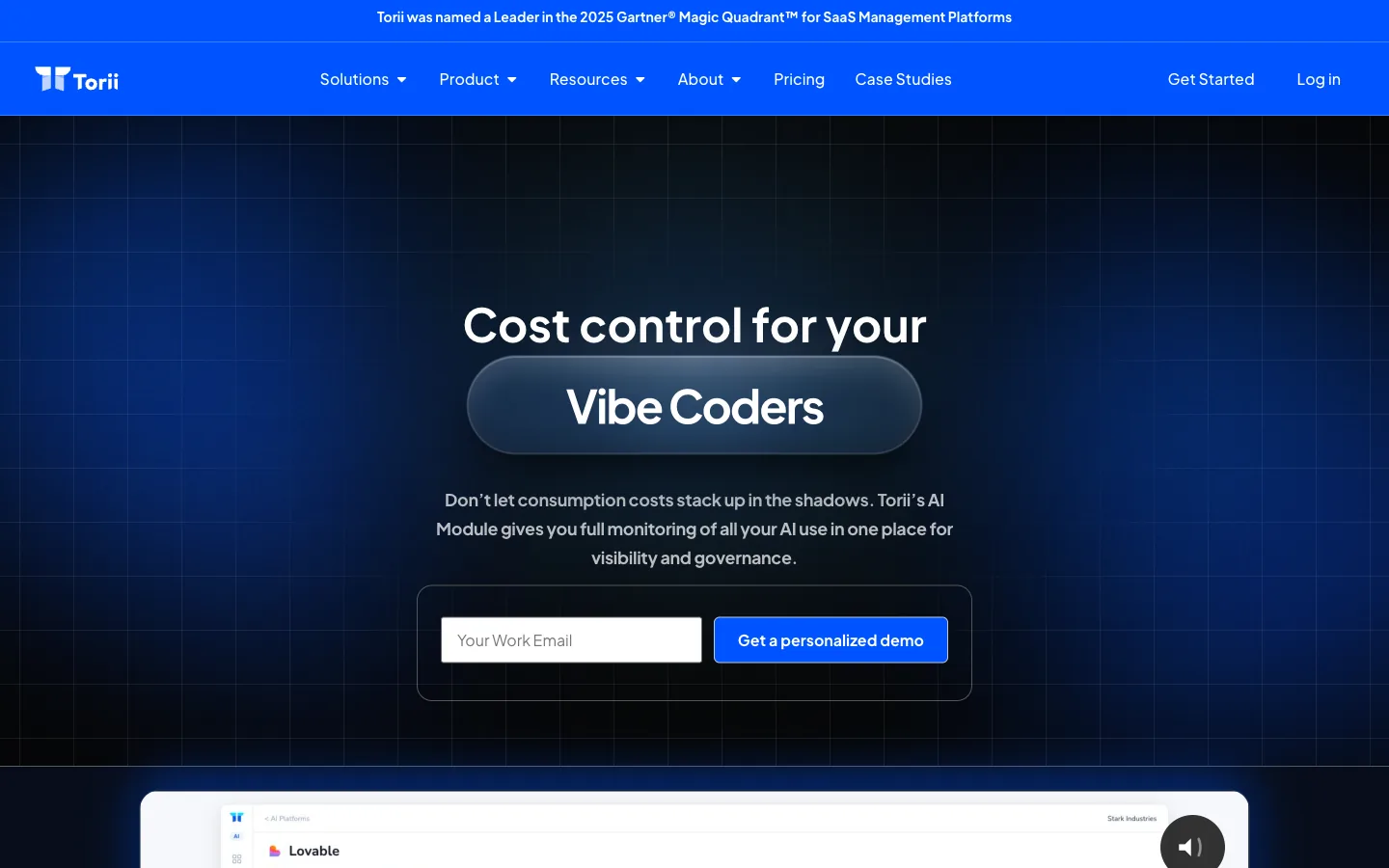
Torii works one layer below GitHub Copilot, at the accounts, seats, and dollars that feed every license. It discovers each app a company runs, including shadow Copilot and adjacent AI coders like Claude Code bought on personal accounts, through browser signals, finance feeds, MDM, and SSO. That catches unsanctioned usage most contract tools never see: a Cybernews survey found 59% of employees “admit to using unapproved AI tools to help with work tasks.”
Its AI Management Dashboard breaks Copilot spend down by user, model, and token in real time. That visibility matches the usage-based credit billing Copilot moved to on June 1, 2026, where Chat and Agent Mode burn far faster than code completions. AI-powered contract ingestion then reads renewal dates, cancellation deadlines, and auto-renew clauses, surfacing every Copilot agreement on one calendar with renew, change, or end guidance.
Usage-based right-sizing flags inactive and underused seats from real activity, not just logins, then reclaims them automatically. Workflow automation keeps that waste from creeping back each cycle, which directly answers Copilot’s missing idle-seat reclamation. You can see how the platform handles AI renewals on the Torii contract and renewal management page.
Where Torii fits Copilot cost control:
- Discovers Copilot seats and shadow accounts through SSO, finance, and MDM signals
- Splits AI spend dashboards by user, model, and token in real time
- Reads renewal and cancellation dates straight from contract PDFs
- Reclaims or downgrades idle seats from real usage
Pros:
- Ties every Copilot seat back to a named employee
- Surfaces shadow Copilot running on personal accounts
- Forecasts credit burn before the metered invoice lands
- Covers the whole SaaS estate, not just developer tools
Cons:
- Built for enterprise breadth, so it isn’t the cheapest option
- Focused on SaaS and shadow IT, without on-premise deployment
| G2: 4.5/5 (303 reviews) | Capterra: 4.9/5 (26 reviews) |
Cledara
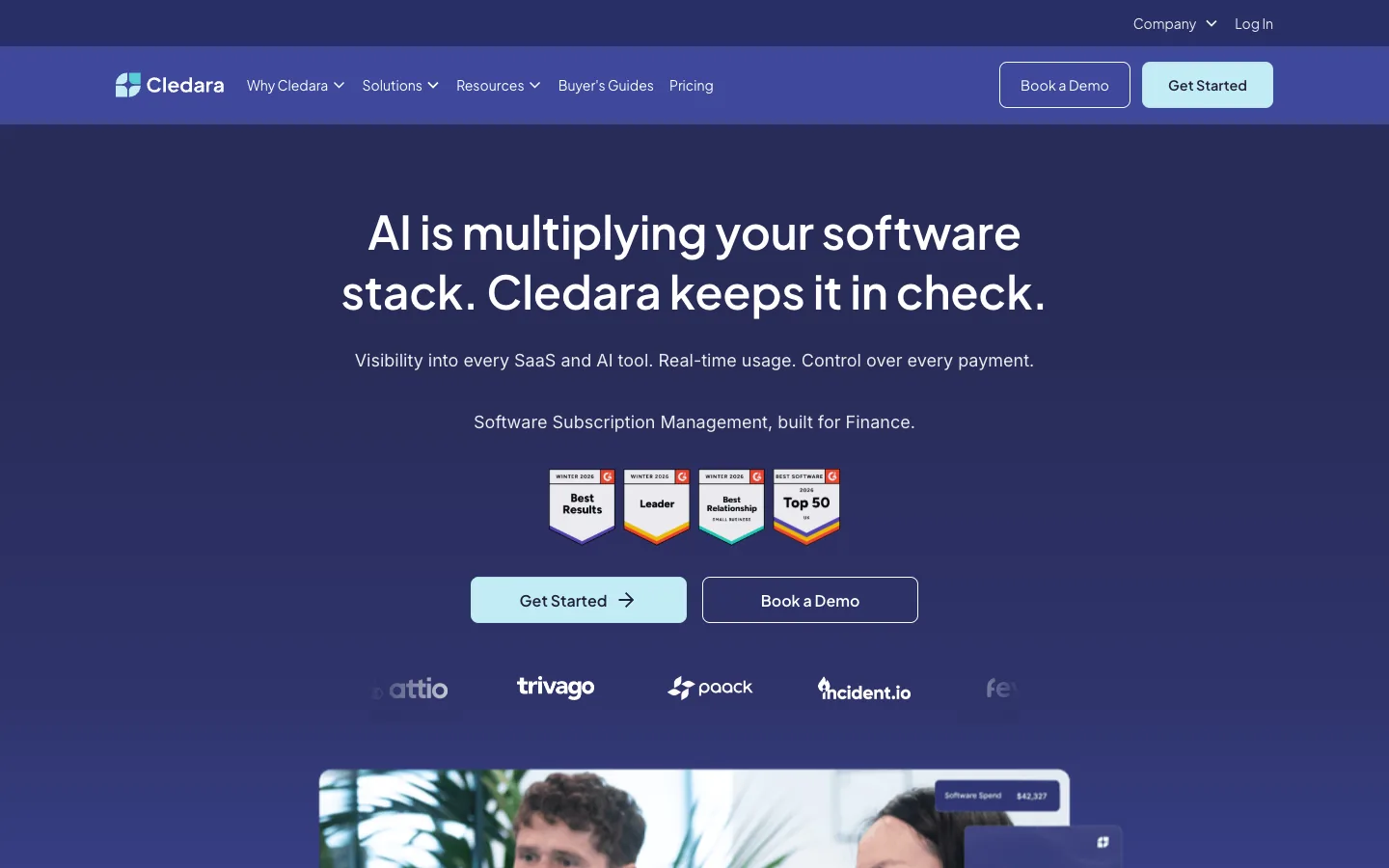
Cledara controls Copilot spend at the payment layer, before a charge ever reaches the bank. Every approved subscription runs on a Cledara virtual card with per-vendor limits, so a Copilot renewal can’t quietly jump from Business to a pricier tier without getting flagged. That payment gate stops the cost creep most discovery tools only notice after the money leaves.
A real-time subscription directory pairs each tool with its cost, renewal date, and owner. Price-change alerts fire when GitHub raises per-seat rates, and a pre-renewal evaluation step sits inside the renewal calendar itself. Cledara Engage then flags duplicate AI coding tools, so paying for Copilot, Cursor, and Tabnine at once becomes obvious.
Built for finance and ops teams at SMB and mid-market size, Cledara publishes pricing from around £100 a month. Native accounting reconciliation bridges SaaS and expense data for smaller teams without a procurement desk. The approach centers on that card-level control, detailed on the Cledara spend optimization page.
Where Cledara helps most:
- Virtual cards that gate every new Copilot subscription
- A live directory with cost, renewal date, and owner
- Price-change alerts when GitHub lifts per-seat rates
- Duplicate-tool detection across AI coding assistants
Pros:
- Stops shadow Copilot charges at the card level
- Price-change alerts protect the budget before renewal
- Tight accounting reconciliation for finance teams
Cons:
- Payment-layer control suits finance more than IT
- Lighter on deep seat and usage telemetry
| G2: 4.6/5 | Capterra: 4.5/5 |
Sastrify
Sastrify pairs self-serve SaaS management with a human procurement team that runs vendor negotiations on your behalf. That fit suits mid-market companies deploying Copilot without a dedicated procurement function. The service handles the legwork lean teams rarely have time to chase.
Its predictive renewals calendar flags Copilot agreements early, backed by a benchmark database spanning more than $6 billion in spend across 15,000-plus vendors. That peer pricing lets procurement push back on committed-seat minimums during a renewal. License rightsizing tracks contracted seats against real usage and recommends cuts before the next true-up.
An Expert Procurement tier assigns a named negotiator to run the GitHub Enterprise and Copilot renewal directly. Published modular pricing starts around €12,500 a year, which keeps the cost transparent for mid-market buyers. The software and the managed service come together on the Sastrify finance page.
Where Sastrify helps most:
- Human procurement experts inside the renewal flow
- A benchmark database across 15,000-plus vendors
- Seat rightsizing against actual Copilot usage
- Transparent published pricing for mid-market teams
Pros:
- Experts negotiate Copilot terms for lean teams
- Benchmark data grounds committed-seat pushback
- Published pricing keeps the cost predictable
Cons:
- The service layer adds cost over pure software
- Lighter on real-time credit-burn tracking
G2: 4.6/5
Spendflo

Spendflo governs the full intake-to-pay path, so a Copilot seat request clears intake, approval, and contract routing before any money moves. That order stops shadow Copilot at the source, since purchases can’t happen off-process. Finance and procurement watch the whole pipeline together.
Auto-renew clauses trigger alerts at 60, 90, and 120 days, each one carrying benchmark pricing already attached. Flo AI agents handle intake, approvals, and purchase orders, while human experts step in to negotiate the deal. Invoice-to-PO line-item matching then catches metered overbilling, which matters once Copilot credit overage bills start landing variable.
Outcome-based pricing ties Spendflo’s fee to results, and the company documents renewal-spend cuts near 28%. Usage analytics connect real Copilot adoption to spend and recommend whether to renew, downgrade, or cancel each block. The buying and renewal pipeline lives on the Spendflo contract management page.
Where Spendflo helps most:
- Intake-to-pay approval before any Copilot spend
- Renewal alerts at 60, 90, and 120 days
- Line-item invoice matching against the PO
- Renew, downgrade, or cancel guidance from usage
Pros:
- Governance before purchase blocks shadow signups
- Benchmark pricing rides along with renewal alerts
- A documented track record on renewal savings
Cons:
- Full procure-to-pay can overshoot small teams
- Heavier setup than a single-purpose tracker
G2: 4.6/5
Most tools here negotiate contracts you already track. Torii works the other end, discovering Copilot accounts through SSO, finance, and MDM signals, including shadow seats on personal logins, then tying real usage to each seat before the renewal. See how Torii cuts AI license waste.
Tropic

Tropic leads with procurement intelligence built on more than $20 billion in real spend across 14,000-plus SKUs refreshed daily. Upload a Copilot contract and it returns a savings percentile in under a minute. That SKU-level depth tells you fast whether the price has room to move.
Renewal management goes past calendar dates into AI-powered insights with opportunity scoring on each agreement. Automated pulse surveys gauge real Copilot adoption, turning satisfaction data into bargaining power at the negotiating table. Tropic also publishes an AI tax framework and downloadable GitHub Copilot negotiation playbooks for seat-based pricing.
A single pricing tier starts around $3,167 a month with full-service negotiation bundled in. That packaging fits teams that want tactical playbooks plus hands-on help in one place. The negotiation tooling sits on the Tropic renewal management page.
Where Tropic digs in:
- Daily SKU-level benchmarks across 14,000-plus products
- A savings percentile on a Copilot contract in under a minute
- Pulse surveys that convert adoption into bargaining power
- GitHub Copilot negotiation playbooks ready to download
Pros:
- Fast read on whether Copilot pricing can move
- Granular SKU benchmarks sharpen the ask
- Copilot-specific playbooks guide the negotiation
Cons:
- Procurement focus, lighter on seat reclamation
- Best returns need early renewal engagement
G2: 4.7/5
Vendr
Vendr, acquired by Vertice in June 2026, brings the largest negotiation dataset here, with 250,000-plus contracts and over 2 million price points. That archive includes 762 analyzed GitHub deals at a $53,613 average contract value, with buyers saving 9.6% on average. Few tools can ground a Copilot ask in numbers that specific.
An autonomous agent named Ana runs vendor negotiations asynchronously over email, fully backed by Vendr’s human buyers. GitHub-specific playbooks cover quarter-end timing advantages and favorable true-up terms for mid-contract seat additions.
A Contract Center tracks renewals, predicted spend, and risky auto-renew clauses in one view. That keeps a Copilot Enterprise agreement from renewing on terms nobody reviewed. The negotiation engine and benchmarks live on the Vertice SaaS purchasing page.
Where Vendr digs in:
- An autonomous agent that negotiates by email
- 762 analyzed GitHub deals behind every benchmark
- A documented 9.6% average savings on GitHub deals
- A contract center flagging risky auto-renew clauses
Pros:
- The only option with an autonomous negotiation agent
- GitHub-specific deal data behind every benchmark
- Contract Center surfaces hidden renewal traps
Cons:
- Procurement focus, light on seat telemetry
- Brand and domain shifting under the Vertice move
G2: 4.5/5
Zylo
Zylo is an enterprise system of record with the largest proprietary dataset here, covering $75 billion in spend and 40 million licenses. Renewals get prioritized by savings potential rather than date, with prep starting roughly 120 days out. The platform explicitly helps teams stay inside contracted limits to dodge costly true-ups.
Real-time AI consumption tracking watches burn rate and ties token usage to both committed spend and renewal timing. That connection speaks directly to Copilot’s credit model, where overage stacks up between renewal reviews. Burn alerts fire as a commitment nears its ceiling, giving finance time to forecast the gap.
Clarity AI, trained on that proprietary spend data, quantifies recoverable savings and your effective license position. A SaaS Negotiator service offers managed negotiation backed by an ROI guarantee for larger renewals. Pricing and renewal detail sit on the Zylo renewal savings page.
Where Zylo leads:
- Savings-prioritized renewals prepped 120 days out
- Token burn-rate tracking against committed spend
- Clarity AI quantifying recoverable license savings
- Managed negotiation with an ROI guarantee
Pros:
- The deepest spend dataset for benchmarking here
- Burn-rate alerts forecast Copilot overage early
- Savings-first renewals give procurement lead time
Cons:
- The enterprise focus can feel heavy for small teams
- Deeper value needs broad SaaS data to draw on
G2: 4.4/5
How to Choose a GitHub Copilot Contract Management Tool
The right tool tracks where your Copilot spend actually leaks. Teams fighting credit overage lean on Zylo’s burn-rate forecasting, while Vendr and Tropic own the negotiation side with hard GitHub deal data. Spendflo governs purchases before they happen, Sastrify brings human negotiators, and Cledara guards the corporate card against shadow signups. The same playbook carries over to Cursor contract management and other usage-based AI tools.
Confirm you can answer four questions — Who holds each active seat? Which seats went idle this cycle? How fast is credit burn trending against the commitment? When does the auto-renew clause lock? A tool that leaves any of these blank is the gap to close first.
All of that assumes you can already see every Copilot seat in play. Torii starts there, discovering AI tools across the company, tying each seat to an owner, and reclaiming idle licenses before they renew. For GitHub Copilot contract management, that visibility is where the savings begin.
Frequently Asked Questions
On June 1, 2026 GitHub moved Copilot to usage-based AI credit billing. Code completions remain free, but Chat, Agent Mode and frontier models burn credits 5 to 10 times faster. Combined with seat commitments and no mid-cycle refunds, invoices became much harder to predict.
Renewals slip because GitHub bills assigned seats regardless of usage and offers no mid-cycle refunds. About 18 to 25% of seats sit idle, shadow accounts go untracked, and usage-based credit burn can make flat renewal estimates miss the real invoice.
Shadow Copilot means Copilot or similar AI tools run on personal or unsanctioned accounts without IT approval. It hides seats from procurement, inflates assigned-seat billing, and undermines renewal accuracy. Discovery via SSO, MDM and finance feeds is required to surface it.
Track token and model-level consumption in real time, tie burn rate to committed spend, set alerts as commitments near ceilings, and right-size seats from actual activity. Tools like Zylo and Torii provide burn forecasting, alerts, and automated idle-seat reclamation to prevent overages.
Key approaches include seat discovery and reclamation (Torii), payment-layer gating with virtual cards (Cledara), procurement negotiation services (Vendr, Tropic, Sastrify), procure-to-pay governance (Spendflo), and enterprise spend analytics and burn forecasting (Zylo). Each covers different contract risks.
Watch auto-renew clauses and cancellation deadlines, true-up provisions, annual seat commitments, price-change terms, and any no-refund or mid-cycle billing policies. These clauses determine exposure under usage-based credit billing and shape negotiation leverage ahead of renewal.