

5 Claude Code Usage Dashboards and Monitoring Tools (2026)
 Chris Shuptrine
•
Jun 12, 2026
•
10 min read
•
Updated August 19, 2026
Chris Shuptrine
•
Jun 12, 2026
•
10 min read
•
Updated August 19, 2026

Compare the 5 best Claude Code usage dashboards and monitoring tools for 2026 to track token spend, per-developer cost, and AI governance.
Ask about this article
Opens Claude in a new tab to answer, using this article as the source.
Claude Code adoption has moved faster than most budget processes. Anthropic’s own cost documentation sets the baseline: “the average cost is around $13 per developer per active day and $150-250 per developer per month, with costs remaining below $30 per active day for 90% of users” (Anthropic, Manage costs effectively). Multiply the top of that range across a few hundred engineers and it becomes a line item somebody has to defend.
Large deployments have already hit that wall. Microsoft cancelled most internal Claude Code licenses in its Experiences and Devices division effective June 30, 2026, months after rolling the tool out to thousands of engineers. Reporting by The Verge’s Tom Warren, covered by Windows Central, described token-based billing as having “exposed actual consumption patterns that made the program financially uncontainable.” The usage is real, and so is the spend.
The trouble is that Claude Code reports its usage across four separate layers in 2026. Local JSONL logs hold the per-call detail, the built-in /cost command gives a rough estimate, the Anthropic Console covers API billing, and a gateway can meter everything in between. Which layer you need depends on whether your team runs seat plans, pay-as-you-go API keys, or both.
Anthropic documents an official path for the org-wide layer: per its docs, you can “Track Claude Code usage, costs, and tool activity across your organization by exporting telemetry data through OpenTelemetry (OTel)” (Anthropic, Monitoring usage). Most teams still want something on top of that raw stream.
This roundup compares five Claude Code usage dashboards and monitoring tools, each built for a different layer of that stack. Pick the one that matches where your Claude Code spend is actually hiding.
Usage surfaces across four disconnected layers: local JSONL logs, the built-in /cost estimate, the Anthropic Console, and any gateway in between. Seat plans and pay-as-you-go API keys each report differently, so no single built-in view shows total cost per developer or per team. That gap is what the tools below close.
★ = low · ★★ = medium · ★★★ = high
| Tool | Org-Wide Visibility | Real-Time Monitoring | Cost Attribution | Ease of Setup |
|---|---|---|---|---|
| Torii | ★★★ | ★★ | ★★★ | ★★★ |
| Anthropic Console | ★★ | ★ | ★★★ | ★★ |
| ccusage | ★ | ★★ | ★★ | ★★★ |
| Claude Code Usage Monitor | ★ | ★★★ | ★★ | ★★ |
| LiteLLM | ★★ | ★★ | ★★★ | ★ |
Table of Contents
Torii
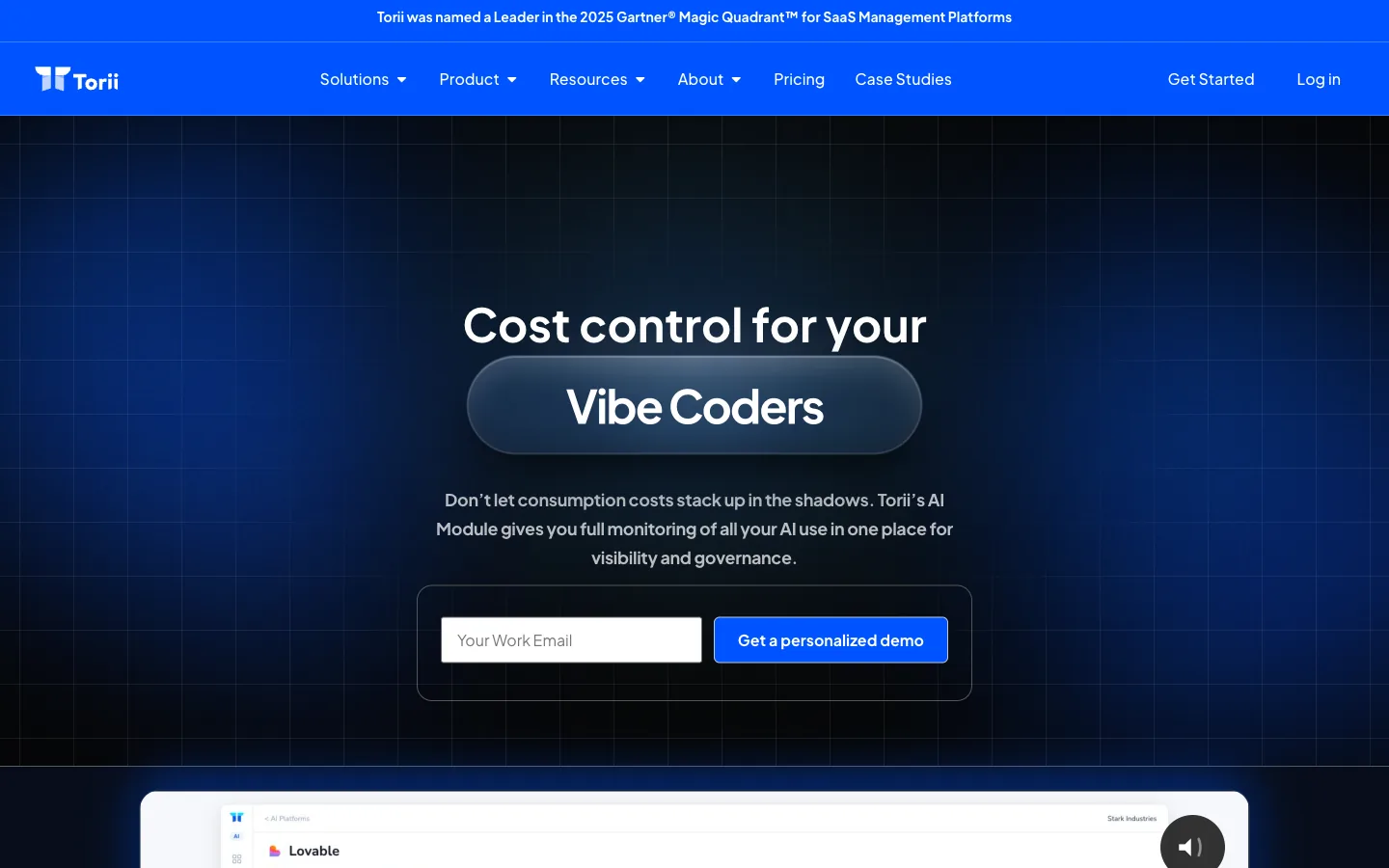
Torii treats Claude Code as a governed asset before it shows up as an API line item. The platform discovers every Anthropic account and Claude Code install across the company by pulling SSO logs, OAuth grants, browser activity, and finance and expense data. That sweep catches personal-card signups and shadow installs that never touch the official admin plan.
The Torii AI Management Platform launched in May 2026 and breaks seat and token spend down per employee and per model, then forecasts overages before the Anthropic invoice arrives. Overlapping-tool detection flags teams paying for Claude Code, Copilot, and Cursor at the same time and ties each duplicate to a dollar figure. This is the only entry here built for org-wide AI adoption and governance rather than per-session token math.
What Torii surfaces that token trackers miss:
- Claude Code installs bought on personal cards
- Per-employee seat and spend attribution across providers
- Overlap across Claude Code, Copilot, and Cursor
- Renewal exposure before an enterprise true-up
Pros:
- Finds shadow Claude Code signups other tools never see
- Attributes Anthropic spend to specific people and teams
- Flags redundant AI coding subscriptions inside one team
- Forecasts enterprise renewal exposure ahead of true-up
Cons:
- Pricing reflects enterprise coverage, not entry-level point pricing
- Built for SaaS and shadow-IT discovery, with no on-premise deployment
Anthropic Console
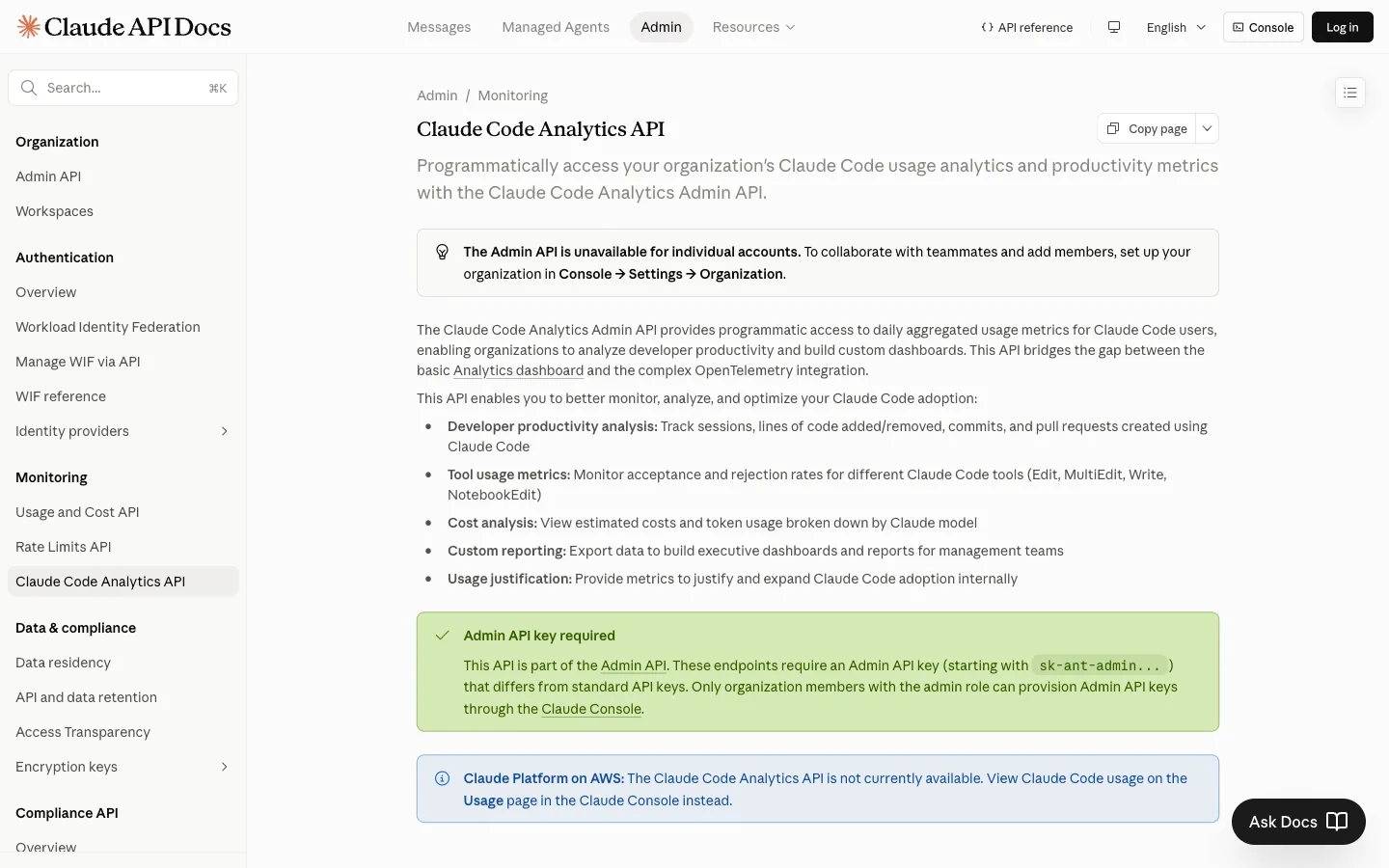
Anthropic Console is the first-party source of truth for Claude Code spend on API billing. Its Usage and Cost tabs visualize tokens and dollars by workspace, model, and API key, with CSV export for finance teams. The Admin API exposes the same numbers programmatically through its usage_report and cost_report endpoints, which multi-vendor shops often feed into a broader cross-vendor token usage tracker.
The purpose-built Claude Code Analytics API and its in-Console dashboard close the per-developer gap that workspace billing leaves open. They report per-user daily sessions, lines of code, commits, pull requests, tool accept and reject rates, and per-model cost. Usage data lands within minutes and Claude Code analytics within about an hour, though everything here needs an Admin API key and stays unavailable on AWS-hosted deployments.
What the Console reports without any extra tooling:
- Token and dollar totals by workspace, model, and key
- Per-user sessions, commits, and pull request counts
- Tool accept and reject rates for each developer
- CSV export for finance reconciliation
Pros:
- Authoritative numbers straight from the billing source
- Real per-developer attribution through the Analytics API
- No third-party tool or proxy sitting in the request path
Cons:
- Seat plans get no per-token data in the Console
- Excludes Bedrock and Vertex deployments entirely
ccusage
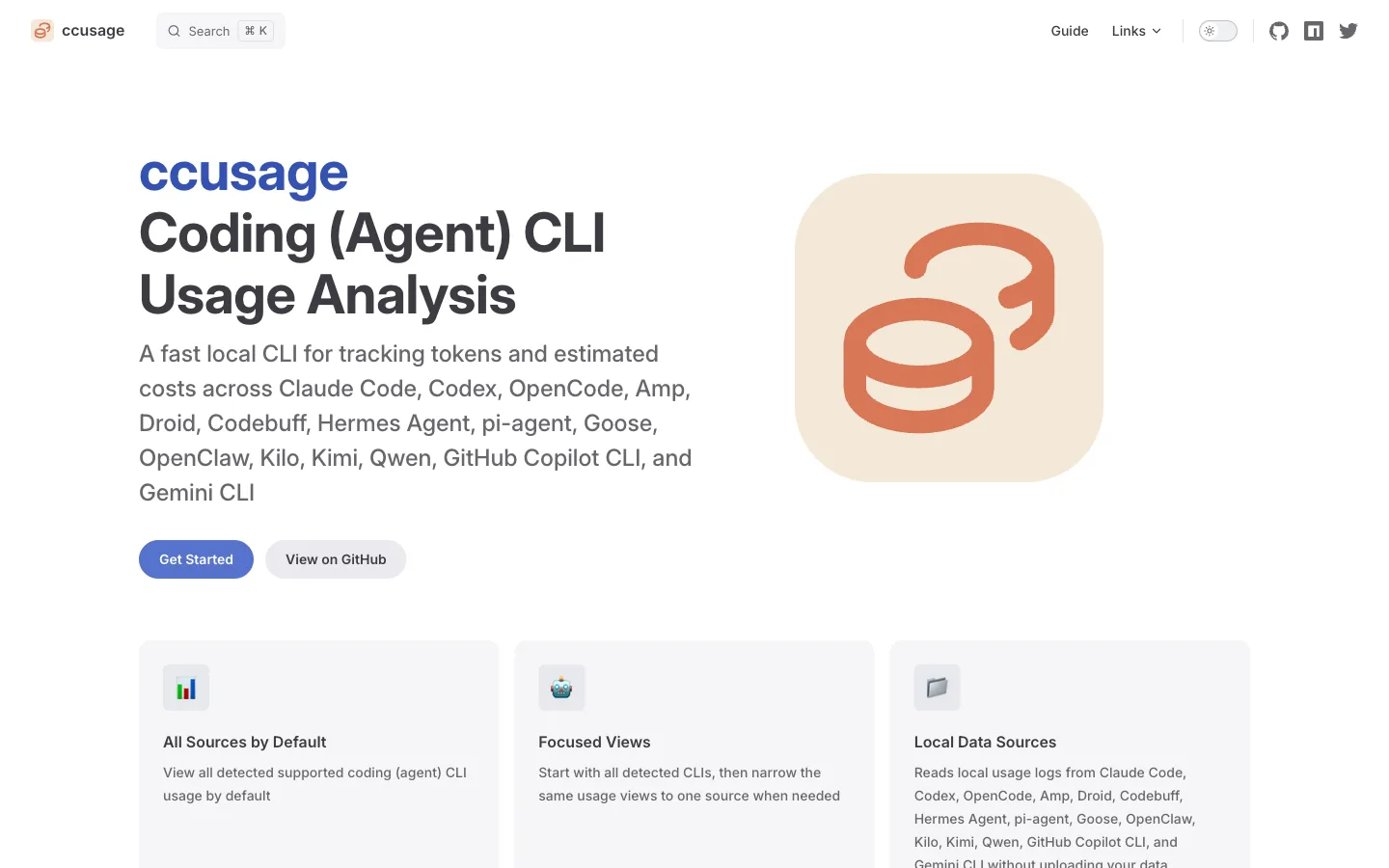
ccusage is a free, open-source npm CLI that reads Claude Code spend with no account setup at all. Run npx ccusage@latest and it parses the local JSONL session logs entirely on your machine, with no API key and no network call. It then prints daily, monthly, per-session, and 5-hour-block cost reports with per-model and cache-token breakdowns.
The active-block view is the Claude Code-specific part, tracking your current 5-hour billing window as it fills up. A statusline mode drops live spend into your shell prompt, so the running number sits next to the cursor while you work. For seat-plan users who get nothing from the Console, the ccusage CLI is the practical way to see personal cost. It is one of several Claude AI token usage trackers that read spend without an admin plan.
Where ccusage fits a single developer’s day:
- Offline parsing of local Claude Code logs
- Daily, monthly, and per-session cost tables
- Live tracking of the current 5-hour active block
- Statusline spend embedded right in the shell
Pros:
- Free, offline, and needs no API key
- Per-model and cache-token cost detail
Cons:
- Reads only local logs on one machine
- No team rollup or shared central dashboard
Local trackers read one machine at a time. They miss the Claude Code installs and Anthropic accounts developers signed up for on personal cards. Torii discovers every AI account across the company, ties Claude Code seat and token spend back to people, and forecasts renewal exposure before the invoice lands. See the Torii AI Management Platform.
Claude Code Usage Monitor
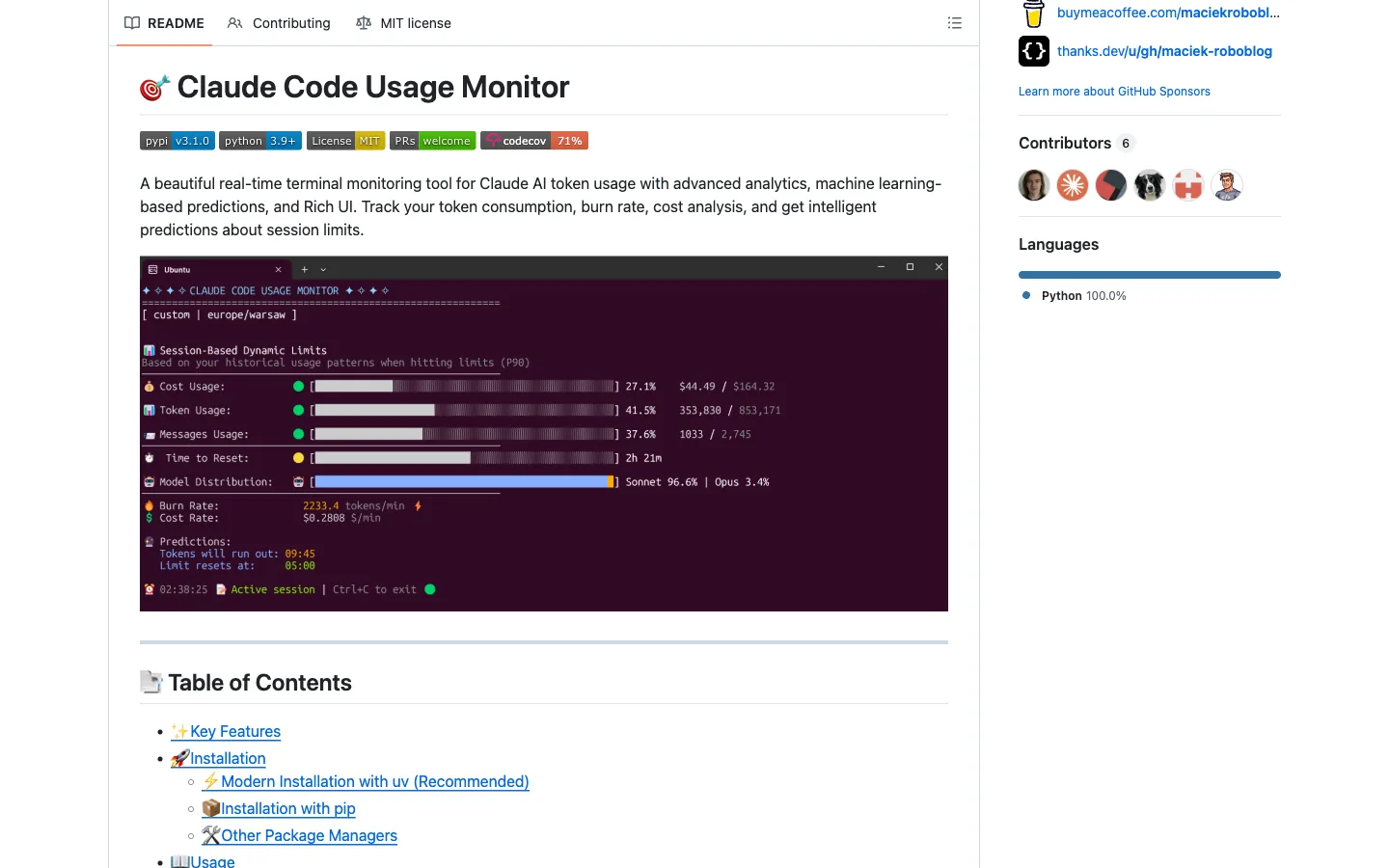
Claude Code Usage Monitor answers the one question the reporting tools skip: when will you run out. The Python terminal dashboard installs with pip install claude-monitor and shows live progress bars, burn-rate velocity, and a forecast of when the current 5-hour block hits its ceiling. Those predictions run on a machine-learning model the project quotes at 95% confidence.
It auto-detects whether you sit on Pro, Max5, or Max20 using P90 percentile analysis of your own history. Realtime, daily, and monthly views each render with WCAG-compliant color bars for accessibility. Where ccusage tells you what you already spent, the Claude Code Usage Monitor tells you how much runway is left in the window.
What the monitor watches in real time:
- Burn-rate velocity against your active block
- Predicted exhaustion time for the 5-hour window
- Auto-detected plan tier through P90 analysis
- Realtime, daily, and monthly view modes
Pros:
- Predictive limit warnings before you hit the wall
- Auto-detects plan tier with no manual config
Cons:
- Forecasts and live views only, no historical export
- Terminal-only, with no shareable team dashboard
LiteLLM
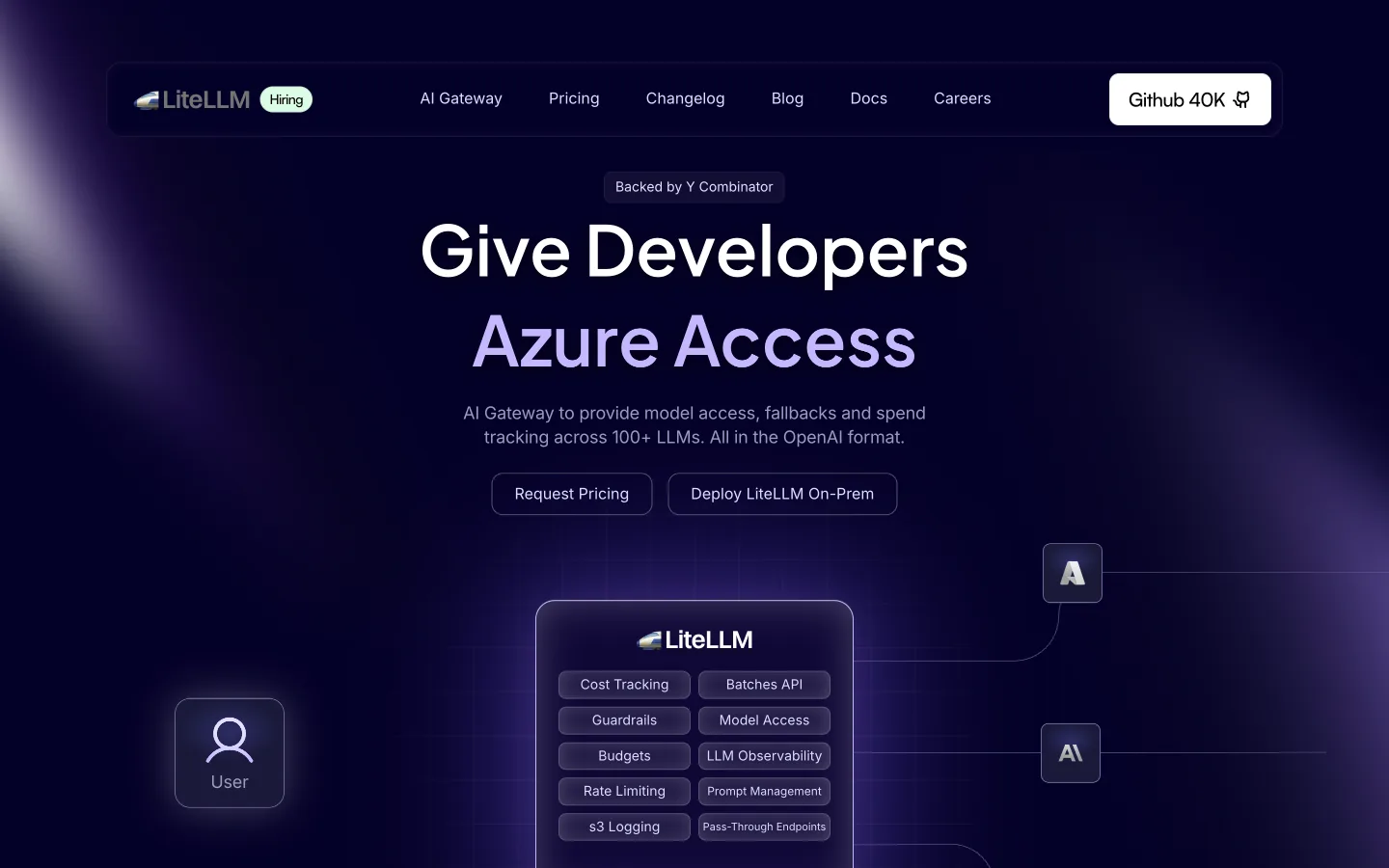
LiteLLM is an open-source gateway you place in front of Claude Code by pointing ANTHROPIC_BASE_URL at it. Every request then becomes a logged, costed, and budget-capped event instead of an untracked call. That turns raw Claude Code traffic into something a platform team can govern from one place, doubling as a Claude Code spend management layer for teams standardizing on the API.
Virtual keys enforce hard per-developer and per-team budgets, plus TPM and RPM rate limits that stop runaway spend before it compounds. Custom headers and Claude Code’s native session and agent IDs carry attribution down to individual subagents. A spend dashboard and logging to 20+ backends like Langfuse, Prometheus, and OpenTelemetry give that data a durable home. For Bedrock or Vertex deploys where Anthropic’s Analytics API never reaches, the LiteLLM gateway is often the only central option.
Where LiteLLM earns its place for a platform team:
- Hard per-key and per-team budget caps
- Subagent-level attribution through session IDs
- Logging into Langfuse, Prometheus, and OTel backends
- Coverage for Bedrock and Vertex deployments
Pros:
- Enforces budgets before the spend happens, not after
- Works in deployments the Analytics API cannot see
- Exports to more than 20 observability backends
Cons:
- Adds a gateway hop in front of every model call
- Requires platform setup and ongoing upkeep
How to Choose a Claude Code Monitoring Tool
The right Claude Code monitoring tool depends on who is asking. Individual developers reach for ccusage or Claude Code Usage Monitor to watch their own windows, while platform teams lean on the Anthropic Console and LiteLLM for attribution and enforcement across keys and deployments.
What none of the five fully solves is attribution across tools you did not know about. Per-session monitors and the Console both start from accounts someone already registered, so a Claude Code install running on a personal key stays invisible to them. That is a discovery problem, and it is the layer Torii and similar platforms work at. Teams with a governance mandate tend to run one of each rather than pick a side.
Torii answers "which Anthropic accounts and Claude Code installs exist, and who owns them," not "what did this session cost." If your gap is an unknown footprint, start there. If it is per-token detail on traffic you already control, one of the monitors above is the better first step. See the Torii AI Management Platform.
Frequently Asked Questions
Claude Code usage appears across four disconnected layers: local JSONL logs, the built-in /cost estimate, the Anthropic Console, and any gateway. Seat plans and pay-as-you-go keys report differently, so no single view shows total cost per developer or team.
Torii discovers Anthropic accounts and Claude Code installs via SSO, OAuth, browser and finance signals, attributing seat and token spend to individual employees. It flags shadow signups, overlapping AI subscriptions, and forecasts renewal exposure for org-wide AI governance and spend management.
Run the ccusage CLI to parse local JSONL logs offline for daily, monthly, per-session, and live five-hour block cost reports. For live runway forecasts use Claude Code Usage Monitor to see burn-rate velocity and predicted exhaustion of the active billing window.
Place LiteLLM as a gateway in front of Claude Code to log, cost, and budget-cap requests centrally. It enforces per-key and per-team hard caps, exports to observability backends, and preserves subagent-level attribution for platform governance and prevention of runaway spend.
The Anthropic Console is the authoritative billing source for API usage, showing tokens and dollars by workspace, model, and key. Its Analytics and Admin APIs provide per-user sessions, commit and pull request counts, and CSV exports for finance reconciliation.
Claude Code Usage Monitor shows real-time burn-rate velocity and predicts when your current five-hour block will exhaust, using a machine-learning model quoted at 95% confidence. It auto-detects plan tier and renders accessible terminal views for immediate action.