

How to Change or Update Your Email Signature in Gmail (2026)
 Chris Shuptrine
•
Aug 8, 2025
•
7 min read
•
Updated April 8, 2026
Chris Shuptrine
•
Aug 8, 2025
•
7 min read
•
Updated April 8, 2026
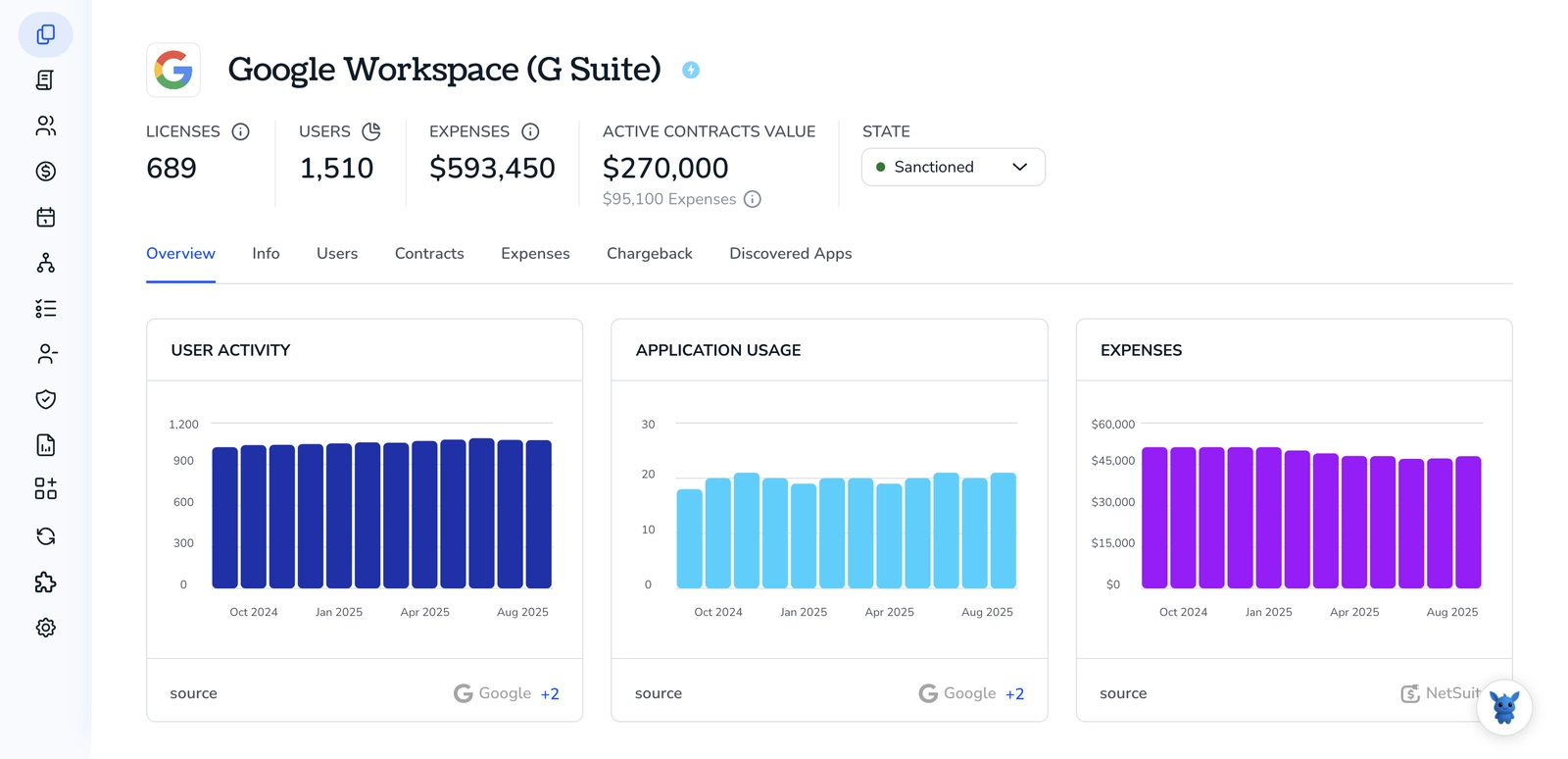
Change or update your email signature in Gmail three ways: Gmail settings, the Google Workspace Admin console, or the Gmail API. Steps for users and IT admins.
Ask about this article
Opens Claude in a new tab to answer, using this article as the source.
A team email signature is not just a sign-off. It carries your logo, legal disclaimers, and trust. When every employee in Google Workspace sends a message, the footer has to look the same and follow policy.
Below we compare three practical ways to update Gmail signatures for users in your organization: manual edits through the Admin console, automated workflows via Torii, and programmatic updates through the Gmail API. Pick the method that fits your level of control, speed, and scale.
Table of Contents
- Method 1: Update Gmail Signature via the Google Admin Console
- Method 2: Update Gmail Signatures Automatically with Torii
- Method 3: Update Gmail Signature via the Gmail API
Method 1: Update Gmail Signature via the Google Admin Console
Need to adjust a team member’s Gmail signature? You can update the email signature directly from the Google Admin console without touching the user’s inbox.
Step 1: Sign in and open the Admin console
- Open
admin.google.comin your browser. - Sign in with a super admin account; the Admin console home page appears.
Step 2: Find the user
- In the left panel, click Users.
- Locate the account by scrolling or searching.
- Select the user’s name to open the profile card.
Step 3: Open Gmail settings
- On the user page, a side menu appears. Choose Gmail.
- Click User settings. This section holds the per-user mail controls.
Step 4: Edit the signature
- Scroll until you spot Email signature.
- Click Edit to open the text box.
- Enter or paste the new signature. Use the toolbar for links, bold, or images as you would in Gmail.
- Decide if the signature applies to new emails, replies, or both.
- Click Save to store the change immediately.
Step 5: Confirm from the user’s inbox
Ask the user to refresh Gmail or sign out and back in. They should start a new email; the updated signature will appear at the bottom. If it doesn’t, confirm you saved the change in Step 4 and that personal overrides aren’t enabled.
Method 2: Update Gmail Signatures Automatically with Torii
Updating every Gmail signature in Google Workspace one account at a time drains admin time. Torii, a SaaS management platform, automates the process so you do not touch each account manually.
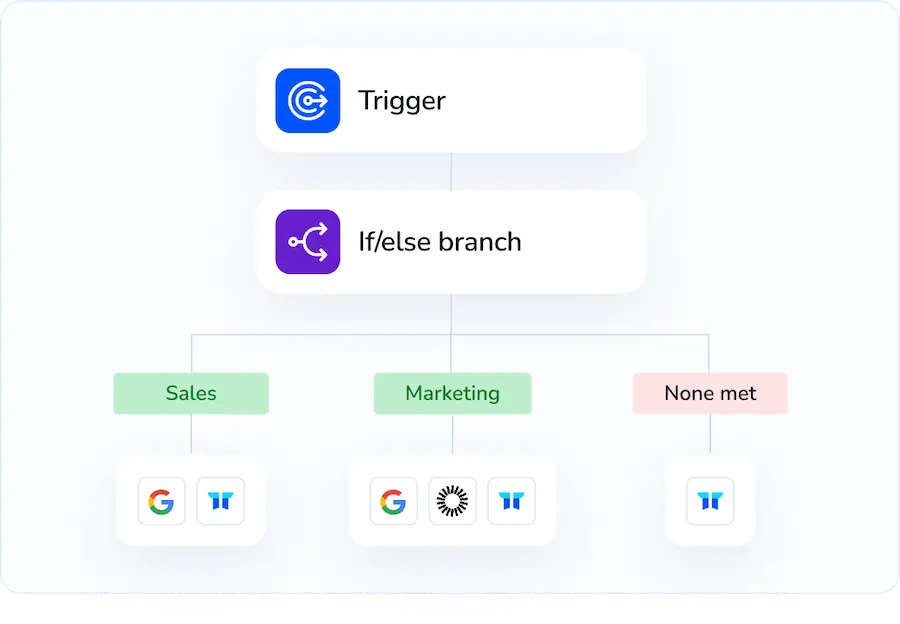
Torii converts a repetitive Google Workspace chore into an automated flow. Once you set up a trigger (for example a new hire, a departure, or a contract milestone), the update runs on its own and applies consistently every time the trigger fires. This approach is especially useful during employee onboarding and offboarding, when signature changes need to happen across dozens of accounts at once.
Use the steps below to update a Gmail email signature in Google Workspace directly from Torii:
1. Sign up for Torii
Reach out to Torii’s team and ask for a free two-week proof of concept.
2. Connect your Google Workspace account to Torii
When your Torii instance is ready, link it with your existing Google Workspace tenant through the admin integration page. Follow these instructions to complete the connection: Google Workspace integration guide.
3. Create a Torii workflow for Google Workspace
Inside Torii, open the Workflows tab, select a trigger, and add an action to update the user’s Gmail signature. After that, any time the trigger fires, the new signature will be pushed to Google Workspace automatically.
Method 3: Update Gmail Signature via the Gmail API
Below you will see how to update a user’s Gmail signature in Google Workspace using the Gmail API, with no UI clicks required and only API calls. This method is best for bulk updates across many accounts.
1. Turn on the Gmail API and give the right scope
- In Google Cloud Console, add the Gmail API to your project.
- Add the scope
https://www.googleapis.com/auth/gmail.settings.basicto the service account and enable domain-wide delegation.
2. Grab an access token that can act as the user
gcloud auth application-default print-access-token
If you need to delegate on behalf of a user, trade the call above for this one:
curl -X POST https://oauth2.googleapis.com/token \
-D client_id=YOUR_CLIENT_ID \
-D client_secret=YOUR_CLIENT_SECRET \
-D refresh_token=YOUR_REFRESH_TOKEN \
-D grant_type=refresh_token \
-D subject=user@example.com
Once the request returns, store the access_token for the next calls.
3. Pick the “send-as” address to update
Most users have one address: their primary email.
You need that address in the path users/{userId}/settings/sendAs/{sendAsEmail}. Use me for {userId} if you’re impersonating, or the actual email address.
4. Call the update endpoint with the new signature
Use a PUT request with JSON to set the text you want the user to see.
curl -X PUT \
-H "Authorization: Bearer ACCESS_TOKEN" \
-H "Content-Type: application/json" \
-D '{
    "signature": "Best,\nJordan"
}' \
"https://gmail.googleapis.com/gmail/v1/users/me/settings/sendAs/jordan@example.com"
Keep line breaks in the JSON body with \n.
5. Confirm the change
Verify the change with a GET call before showing the result to the user.
curl -H "Authorization: Bearer ACCESS_TOKEN" \
"https://gmail.googleapis.com/gmail/v1/users/me/settings/sendAs/jordan@example.com" \
grep signature
You should see the updated text.
6. Repeat for more users
Loop through your user list, swap subject and sendAsEmail, and push the same call. A simple bash or Apps Script loop gets the job done.
With one script run, every chosen account now shows the new signature in Gmail.
Torii for SaaS Management
Looking for a tighter grip on your growing SaaS stack? Torii’s SaaS Management Platform goes beyond signature updates to give IT teams complete control over every application:
- Uncover shadow apps: AI scans your environment and flags unsanctioned software automatically.
- Cut wasted spend: Remove idle licenses and overlapping tools before they drain your budget.
- Automate onboarding and offboarding: Hand off repetitive account tasks, including Gmail signature updates during employee lifecycle events, and avoid errors when employees join or leave.
- Never miss a renewal: Timely alerts keep every contract deadline on your radar.
Torii brings Finance, IT, and Security the same end-to-end SaaS view, unifying data in one place. The Google Workspace integration connects your entire directory so any workflow you build applies instantly across your organization.
Get in touch with our team to schedule a walkthrough and see how Torii handles the full user lifecycle, not just signatures.
Frequently Asked Questions
You can open Google Admin console and edit each profile, set a Torii workflow that pushes updates automatically when defined triggers fire, or use Gmail API calls to bulk push the signature through a script. Choose based on control and speed.
Yes. After connecting Torii to Google Workspace, you build a workflow that triggers on events such as new hire, departure, or contract milestone. The action automatically updates the user’s Gmail signature, removing repetitive admin work and ensuring consistency.
Sign in with a super admin, open Users, pick the employee, choose Gmail › User settings, scroll to Email signature, click Edit, paste or type the new footer, decide when it appears, press Save, then ask the user to refresh Gmail.
Your service account or delegated credentials must include the Gmail settings scope https://www.googleapis.com/auth/gmail.settings.basic. Without it, PUT requests to the sendAs endpoint fail, so grant the scope and enable domain‑wide delegation first.
Ask the employee to refresh or reopen Gmail, start a new message, and check the footer. If it is missing, verify you saved changes, disabled personal overrides, or run a GET call to confirm the signature via the Gmail API.
A standardized signature carries your logo, legal disclaimers, and branding, reinforcing trust and compliance. Uniform footers also prevent outdated or rogue content when hundreds of employees email from Google Workspace.