

4 Notion Access Review Vendors Compared in 2026
 Chris Shuptrine
•
Jan 13, 2026
•
9 min read
Chris Shuptrine
•
Jan 13, 2026
•
9 min read

Compare four platforms for running Notion access reviews in 2026, from SaaS governance tools to enterprise identity management solutions.
Ask about this article
Opens Claude in a new tab to answer, using this article as the source.
Notion workspaces expand organically as teams adopt the tool for documentation, project tracking, and collaborative knowledge bases. With Business plans at $12 per member monthly and Enterprise tiers at custom pricing, each unreviewed account represents spending that accumulates across billing cycles. Access reviews confirm that only current employees hold active Notion seats, that member roles align with actual job functions, and that guest permissions stay limited to people who genuinely need workspace visibility.
Notion Business costs $12 per member monthly. A single overlooked inactive account wastes $144 annually, and guest accounts with broad page access create data exposure that extends beyond your organization's control.
Governing Notion access involves challenges that extend beyond simple headcount tracking. The platform supports workspace members, guests with varying page-level permissions, and admin roles that control billing and integrations. A former contractor might retain guest access to sensitive product roadmaps months after their project ended. A departed employee could still hold admin privileges that nobody remembered to revoke. Notion provides member lists and role assignments through its admin console, but correlating this data with HR records and manager input requires manual effort that rarely happens systematically.
Third-party tools address this gap through SCIM integration, SSO authentication patterns, or direct API connections. Some pull user lists, roles, and license assignments directly from Notion for automated certification workflows. Others detect Notion usage through identity provider data without application-level visibility into specific page permissions. This article examines four platforms worth considering for Notion access reviews in 2026, covering how each handles discovery, review workflows, and compliance documentation.
★ = low · ★★ = medium · ★★★ = high
| Tool | Ease | Cost | AI Capabilities | Reviews |
|---|---|---|---|---|
| Torii | ★★★ | ★★ | ★★★ | ★★★ |
| ConductorOne | ★★★ | ★ | ★★★ | ★ |
| Zluri | ★★ | ★★ | ★★ | ★★ |
| MiniOrange | ★★ | ★★★ | ★ | ★★ |
Table of Contents
Torii
Torii connects directly to Notion through a native integration that pulls user lists, license assignments, and member roles automatically. The platform treats Notion as part of a broader SaaS portfolio, giving IT teams visibility into who holds workspace access alongside usage patterns across other applications. For organizations managing dozens or hundreds of SaaS tools, this consolidated view makes Torii particularly useful for identifying access that spans multiple systems.
The integration captures employee names, email addresses, titles, departments, and user status from Notion workspaces. Admin roles and basic member designations appear in Torii’s unified dashboard, allowing reviewers to spot elevated permissions that might warrant closer examination. While Notion’s API doesn’t expose granular page-level permissions, Torii surfaces the membership data that matters most for periodic access certifications.
Access review workflows in Torii support automated provisioning and deprovisioning for Notion Enterprise users. When someone joins the organization, triggers can automatically add them to the appropriate Notion workspace based on department or role. When they leave, those same triggers revoke access without manual intervention. This automation eliminates the gap between HR events and actual access changes that creates security exposure in most organizations.
Pros:
- Native Notion integration pulls user data without custom configuration or connector development
- Workflow automation handles joiner/mover/leaver scenarios with configurable triggers
- Combined SaaS management and governance eliminates need for separate tools
- AI-powered anomaly detection flags unusual access patterns across the entire SaaS portfolio
Cons:
- Enterprise-focused pricing may exceed budgets for smaller organizations with limited SaaS stacks
- Cloud-only architecture without on-premise deployment options for regulated environments
| Ratings: G2: 4.5/5 (302 reviews) | Capterra: 4.9/5 (26 reviews) |
ConductorOne
ConductorOne offers a dedicated Notion connector that syncs user accounts and entitlements for access review workflows. The integration uses Notion’s SCIM API to pull membership data, making it available through ConductorOne’s entitlements and accounts views. Teams running quarterly access certifications can include Notion alongside other applications in the same review campaign without switching between dashboards.
The platform’s AI agents handle routine certification decisions automatically, flagging exceptions for human reviewers. For Notion specifically, this means low-risk access confirmations can proceed without manual approval while unusual permission patterns trigger closer examination. The just-in-time access feature converts standing Notion privileges to time-bound access, reducing the attack surface from dormant accounts that accumulate over time.
One notable limitation is that ConductorOne’s Notion connector currently requires an Enterprise subscription from Notion itself. Organizations on Business or lower tiers cannot use the direct integration, though they might still manage Notion access indirectly through SSO group memberships. The connector remains in beta, so expect ongoing development and potential feature additions as the integration matures.
Pros:
- AI-powered automation handles routine certifications without reviewer fatigue
- Just-in-time access converts standing privileges to temporary, time-bound permissions
- Fast implementation averaging four weeks from project start to production reviews
Cons:
- Notion connector requires Enterprise plan, excluding Business and lower tiers
- Integration currently in beta with ongoing development
- No public pricing makes budget planning difficult without sales engagement
Ratings: G2: 4.8/5 (13 reviews)
Zluri
Zluri’s Notion integration fetches user lists, tracks active users, and provides engagement metrics that show who actually uses their workspace access. The platform maps in-app roles to identify admins, owners, and members with elevated permissions, then flags unused or excessive entitlements that might warrant removal. This visibility into actual usage patterns helps reviewers make informed decisions rather than rubber-stamping approvals based solely on job titles.
The access review workflow supports multi-level reviewers, meaning a first-pass review might go to direct managers while exceptions escalate to security teams. Automated reminders keep campaigns on track, and bulk approval capabilities speed up low-risk confirmations. Zluri positions itself as a modern IGA platform that combines the discovery capabilities of SaaS management tools with the governance features of traditional identity solutions.
Full provisioning and deprovisioning automation depends on Notion’s Enterprise features like SCIM, similar to ConductorOne. Organizations on lower Notion tiers can still use Zluri for visibility and manual review workflows, but the automated remediation that makes access reviews truly efficient requires the Enterprise subscription.
Pros:
- Usage metrics show who actively uses Notion versus dormant accounts consuming licenses
- Multi-level reviewer support with automated reminders and escalation paths
- Bulk approval capabilities reduce time spent on low-risk certifications
Cons:
- Full automation requires Notion Enterprise for SCIM-based provisioning
- Custom pricing without public tiers makes comparison shopping difficult
- Some users report the platform is still maturing with occasional interface quirks
| Ratings: G2: 4.6/5 (175 reviews) | Capterra: 4.9/5 (27 reviews) |
Most governance platforms rely on Notion's SCIM API for automated provisioning and deprovisioning. This API is only available on Notion Enterprise plans, which means organizations on Business or lower tiers will be limited to manual workflows regardless of which review tool they choose.
MiniOrange
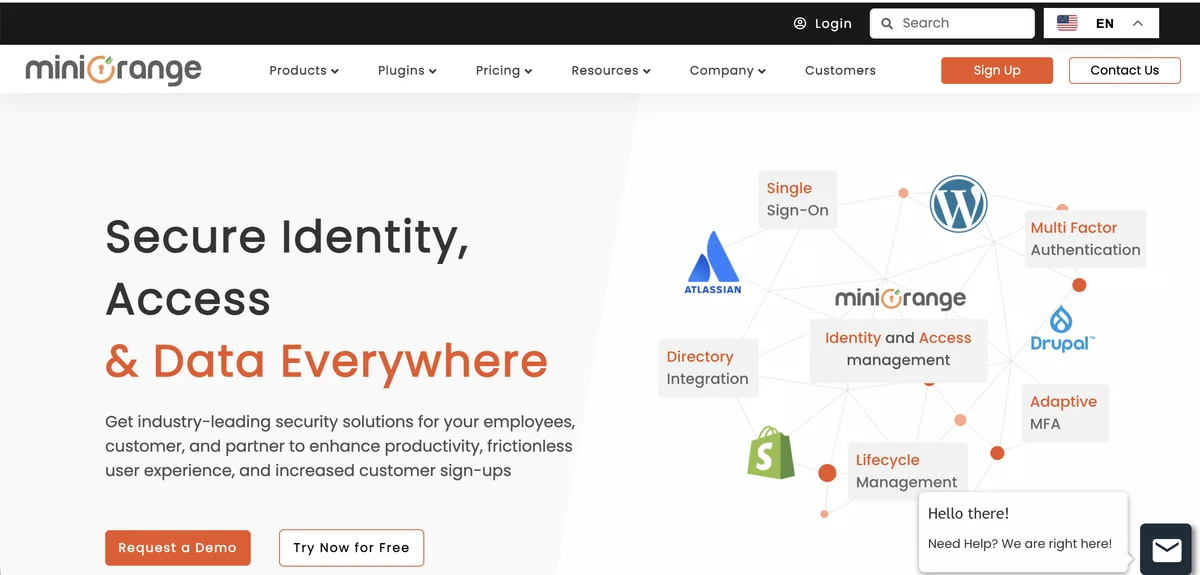
MiniOrange approaches Notion governance primarily through SSO integration using SAML 2.0. The platform enables centralized authentication for Notion workspaces, routing login attempts through identity providers like Active Directory, Azure AD, or Okta. This authentication layer provides visibility into who accesses Notion without requiring native API integration for user management.
The access governance capabilities extend beyond simple authentication. MiniOrange supports IP-based access restrictions, device limitations, and adaptive authentication that can require additional verification for unusual login patterns. Bulk user provisioning via CSV uploads helps organizations manage Notion access alongside other applications in their portfolio, though this approach requires more manual effort than direct SCIM integration.
For organizations already using MiniOrange for broader IAM needs, extending it to Notion makes practical sense. The platform’s strength lies in affordable pricing at $2-3 per user monthly and extensive pre-built integrations across 6,000+ applications. However, teams seeking sophisticated access certification workflows with AI-driven risk analytics might find MiniOrange better suited as a complementary SSO layer rather than a complete governance solution.
Pros:
- Affordable pricing at $2-3 per user monthly makes it accessible for smaller organizations
- 6,000+ pre-built integrations enable centralized identity management beyond just Notion
- Adaptive authentication adds security context to Notion access decisions
Cons:
- SSO focus means less visibility into Notion-specific permissions and roles
- Access review features require Jira for workflow automation
- Support quality varies significantly according to user reviews
- Lacks AI-driven access analytics found in modern IGA platforms
| Ratings: G2: 4.5/5 (264 reviews) | Capterra: 4.5/5 (36 reviews) |
How to Choose the Right Platform
Selecting a Notion access review tool depends on what else you need the platform to accomplish beyond periodic certifications. Organizations managing large SaaS portfolios benefit from solutions like Torii that combine application discovery, license optimization, and access governance in one platform. The unified approach eliminates context switching between tools while providing AI-powered insights that span shadow IT discovery, SaaS financial governance, and automated license remediation across your entire software stack.
Teams focused specifically on identity governance and compliance certifications might consider ConductorOne or Zluri for their deeper access review workflows. These platforms offer features like AI-assisted decision-making and just-in-time access controls that reduce the manual effort involved in quarterly certifications while maintaining audit trails that satisfy compliance requirements.
Budget-conscious organizations with simpler needs might find MiniOrange sufficient for basic SSO and authentication controls. The platform works well as a complementary layer alongside more comprehensive governance tools, particularly for organizations that already use Jira-based workflows for access requests.
Check your Notion subscription tier. SCIM-based automation requires Notion Enterprise, so organizations on Business or lower plans should factor upgrade costs into their governance strategy or plan for manual review workflows.
Frequently Asked Questions
Notion access reviews prevent license waste and data exposure by ensuring only current employees have seats, roles match job functions, and guest permissions are limited. A single overlooked account costs $144 annually on Business, and unmanaged guests can leak sensitive pages.
Notion's SCIM API, available only on Enterprise plans, enables automated provisioning and deprovisioning for governance platforms. Without SCIM, tools can provide visibility and manual workflows, but automated remediation and license sync require an Enterprise subscription.
Torii offers unified SaaS discovery, native Notion integration, and automation for joiner/leaver flows. ConductorOne focuses on identity governance and just-in-time access. Zluri highlights usage metrics and multi-level reviews. MiniOrange provides SSO-centric controls at a lower per-user price.
Notion Business lacks SCIM-based automation, so most governance platforms cannot perform full automated remediation. Organizations can still use tools for discovery, manual certification, SSO-based provisioning, or plan Enterprise upgrades to enable automated provisioning and deprovisioning.
AI features flag anomalous access patterns across your SaaS portfolio, automate routine certification decisions, and reduce reviewer fatigue. Platforms like Torii and ConductorOne use AI to surface unusual privileges and approve low-risk entitlements while escalating exceptions for human review.
Verify your Notion subscription (SCIM requires Enterprise), define whether you need full provisioning, audit trails, or simple visibility, assess budget and integration with HR or identity providers, and decide if you prefer SaaS-wide management or a focused identity governance solution.