

8 Solutions for Okta Access Reviews in 2026
 Chris Shuptrine
•
Oct 21, 2025
•
14 min read
Chris Shuptrine
•
Oct 21, 2025
•
14 min read

Compare eight platforms for running Okta access reviews in 2026, from SaaS-native governance tools to enterprise IGA solutions.
Ask about this article
Opens Claude in a new tab to answer, using this article as the source.
Okta sits at the center of your identity stack, which makes reviewing access through it both critical and tricky. You need to confirm that only active employees hold Okta accounts, that app assignments match actual job roles, and that group memberships stay current as people move through the organization. The challenge is that Okta itself shows authentication data without the broader context of whether someone actually uses an assigned application or just authenticates through SSO occasionally.
The tools below approach Okta access reviews from different angles. Some connect directly to Okta through SCIM or API to pull user status, group memberships, and app assignments into certification campaigns. Others layer on top of Okta to provide usage analytics and risk intelligence that the native platform lacks. A few target large enterprises with complex compliance requirements, while others focus on mid-market teams that need faster deployment.
This guide covers eight platforms worth evaluating for Okta access reviews in 2026. Each section breaks down what the tool does well, where it falls short, and review ratings from G2 and Capterra.
★ = low · ★★ = medium · ★★★ = high
| Tool | Ease | Cost | AI Capabilities | Reviews |
|---|---|---|---|---|
| Torii | ★★★ | ★★ | ★★★ | ★★★ |
| ConductorOne | ★★★ | ★★ | ★★ | ★ |
| Veza | ★★ | ★ | ★★★ | ★★ |
| SailPoint | ★ | ★ | ★★★ | ★★★ |
| Saviynt | ★★ | ★★ | ★★ | ★★ |
| Zluri | ★★ | ★★ | ★★ | ★★ |
| Lumos | ★★ | ★★ | ★★★ | ★ |
| One Identity | ★ | ★★★ | ★ | ★★ |
Okta often manages access to dozens or hundreds of downstream applications. A single orphaned Okta account can grant persistent access across your entire SaaS stack. Regular access reviews catch these gaps and reduce the blast radius of compromised credentials.
Table of Contents
Torii
Okta tells you who authenticated. Torii tells you who actually used the application afterward. This distinction matters because SSO login events create false confidence during access reviews. An employee might authenticate through Okta to dozens of apps but only actively use a handful. Traditional reviews miss this nuance entirely.
The platform pulls Okta user status, group memberships, and application assignments into a unified dashboard, then layers on usage analytics from direct integrations with downstream apps. Reviewers see both the access an employee holds through Okta and whether they actually engage with those applications. Dormant app assignments surface automatically for reclamation or removal.
Certification workflows route to the appropriate reviewer based on org hierarchy, department, or application ownership. Historical patterns help reviewers contextualize decisions, showing whether someone’s access aligns with their role and peer group or represents accumulated privileges from previous positions.
Pros
- Usage analytics reveal actual app activity beyond Okta authentication events
- Pulls groups, app assignments, and user status through deep Okta integration
- Combines identity governance with SaaS spend management and optimization
- Anomaly detection surfaces users with access inconsistent with their role
Cons
- SaaS-focused coverage leaves some infrastructure gaps
- Enterprise pricing positions above some mid-market alternatives
G2: 4.5 out of 5 stars (302 reviews)
Capterra: 4.9 out of 5 stars (26 reviews)
ConductorOne
Built by former Okta security product leaders, ConductorOne understands how Okta environments actually work in production. The platform extracts group memberships and application assignments from Okta, then traces those entitlements down to the specific permissions they grant in connected applications. Reviewers see the full chain from Okta group to downstream capability.
AI agents evaluate each access entitlement against peer group norms and flag outliers. A developer who accumulated admin privileges across three different tools over two years shows up as an anomaly even if each individual assignment seemed reasonable at the time. The automation handles straightforward certifications without human intervention while escalating edge cases for judgment calls.
Deprovisioning executes through the Okta API when access gets revoked. Group memberships and app assignments update immediately without manual follow-up. Just-in-time access features convert standing privileges to temporary grants that expire automatically, reducing the access surface that needs certification in the first place.
Pros
- Traces Okta entitlements through to downstream application permissions
- AI identifies accumulated privileges that exceed peer group norms
- Just-in-time access reduces standing permissions requiring review
- Revocation triggers immediate Okta deprovisioning
Cons
- Reviews support access removal without permission-level modification
- Pricing requires sales engagement to determine scope
- Fewer user reviews available compared to established vendors
- Advanced configuration benefits from Terraform and API expertise
G2: 4.8 out of 5 stars (13 reviews)
Capterra: No active listing
Veza
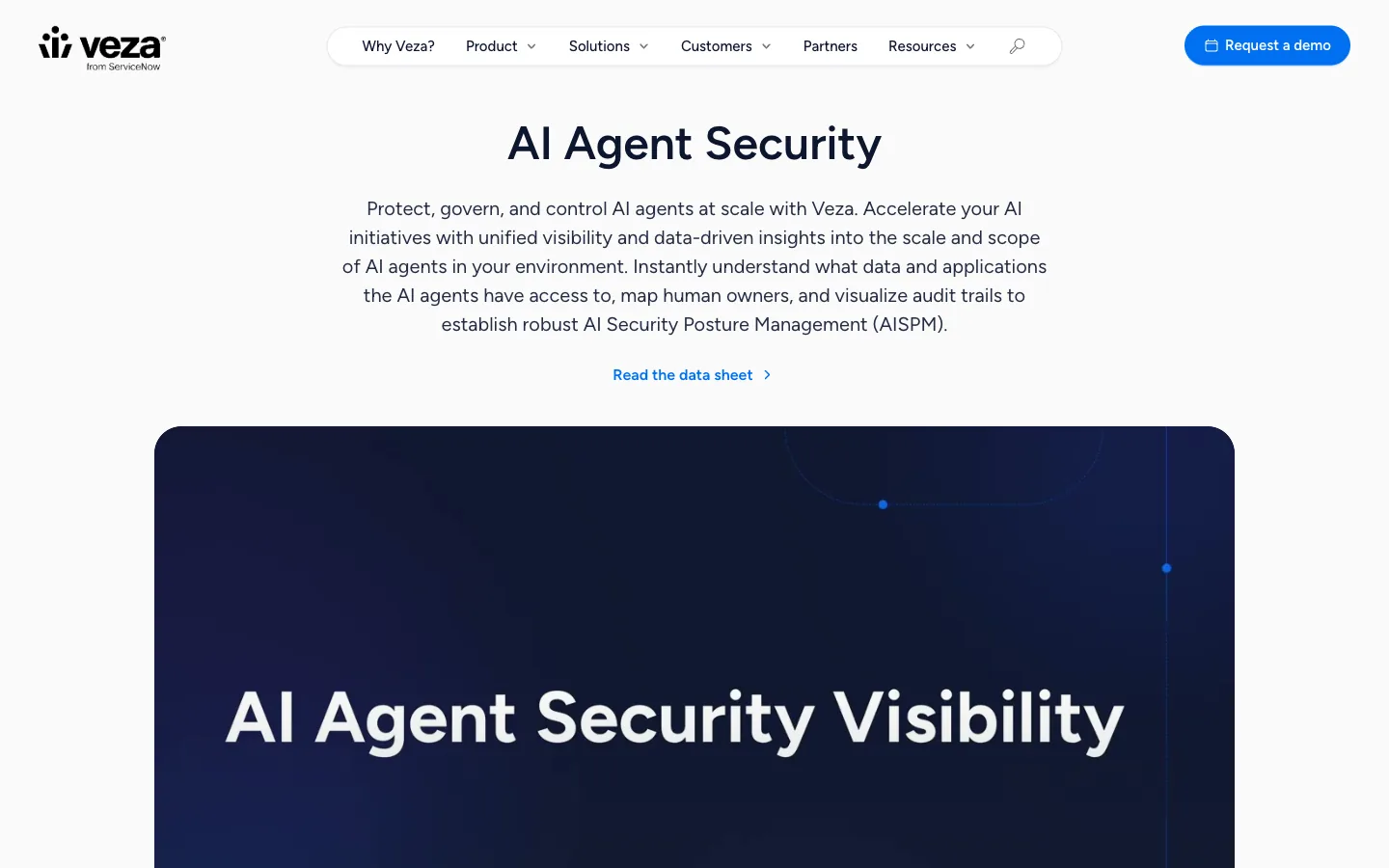
Nested Okta groups create permission complexity that traditional reviews struggle to unpack. Veza addresses this through Access Graph technology that maps every relationship between users, groups, and application permissions. Reviewers see effective access translated into plain language like “can read customer data” rather than trying to interpret what membership in “Sales-West-Region-Group” actually grants.
The platform discovers machine identities that flow through Okta alongside human users. Service accounts, API keys, and automation credentials often accumulate permissions without the oversight that employee accounts receive. Bringing them into the same review workflow closes a gap that creates real security exposure.
Risk-based prioritization surfaces the most concerning entitlements first. Toxic permission combinations, unusual access patterns, and dormant high-privilege accounts rise to the top rather than getting buried in routine approvals. Activity data shows whether entitlements get used in practice, helping reviewers confidently revoke access that exists only on paper.
Pros
- Access Graph translates nested Okta groups into plain-language permissions
- Discovers machine identities flowing through Okta alongside human users
- Risk scoring prioritizes toxic combinations and unusual patterns
- Agentless deployment completes in minutes rather than weeks
Cons
- Limited public user reviews compared to more established competitors
- Enterprise pricing without transparent costs or trial availability
- Recent ServiceNow acquisition may influence product direction
- Integration coverage thinner for niche applications
G2: No reviews available
Capterra: 5.0 out of 5 stars (1 review)
Some tools pull only SSO authentication data from Okta. Others extract group memberships, app assignments, and license details. The deepest integrations show downstream application permissions and actual usage patterns. Ask vendors specifically what Okta data their integration surfaces during access reviews.
SailPoint IdentityIQ
Enterprises with hundreds of Okta-connected applications need governance that scales accordingly. SailPoint models the relationships between Okta users, groups, and downstream application entitlements at a granular level. Certification campaigns present reviewers with AI recommendations that compare each user against peers, highlighting outliers who hold unusual combinations of access.
The platform excels at segregation of duty enforcement. Policies flag toxic permission combinations that create compliance or security risks, like someone who can both approve purchases and modify vendor payment details across the Okta-connected application stack. Compliance automation generates audit-ready evidence for SOX, HIPAA, GDPR, and other regulatory frameworks.
The trade-off is investment. Deployments span months rather than weeks and require dedicated identity governance staff to configure and maintain. Annual costs position SailPoint for organizations where regulatory requirements or security posture justify six-figure platform spending.
Pros
- Models complex Okta environments with hundreds of connected applications
- AI recommendations identify users with anomalous access combinations
- Segregation of duty policies catch toxic permission pairs
- Compliance automation generates evidence for major regulatory frameworks
Cons
- Annual costs averaging $240,000 exclude mid-market organizations
- Deployment timelines run six months to a year or more
- Configuration complexity requires specialized administrator training
- Oversized for organizations with simpler Okta environments
G2: 4.5 out of 5 stars (161 reviews)
Capterra: 4.2 out of 5 stars (21 reviews)
Saviynt
Okta admin accounts deserve stricter governance than standard user access, and Saviynt addresses this by combining identity governance with privileged access management. The same platform handles certification for both regular employees and the administrators who control Okta itself. Trust Scoring evaluates each entitlement and automates low-risk approvals while surfacing anything unusual for human review.
Rather than waiting for quarterly campaigns, continuous monitoring detects access drift as it happens. When an Okta user accumulates permissions that deviate from their peer group, the system triggers a micro-certification immediately. Organizations report meaningful increases in revocation rates, indicating reviewers engage substantively rather than approving everything reflexively.
Mobile certification lets managers handle reviews from anywhere, which matters when campaign deadlines coincide with travel or other obligations. The platform positions as a more accessible alternative to SailPoint while maintaining enterprise-grade depth.
Pros
- Unified governance for both standard Okta users and admin accounts
- Trust Scoring automates routine approvals while escalating anomalies
- Continuous monitoring triggers micro-certifications between formal campaigns
- Mobile interface enables reviewer participation from any location
Cons
- Customer support responsiveness varies based on user reports
- Learning curve steeper than initial interface suggests
- Workflow stability issues occasionally require intervention
- Review view customization remains limited
G2: 3.5 out of 5 stars (limited reviews)
Capterra: 4.5 out of 5 stars (2 reviews)
Zluri
Okta shows you the applications assigned to each user. Zluri adds context about whether those applications actually get used. The platform pulls group memberships and app assignments from Okta while simultaneously tracking activity data through direct integrations with downstream SaaS tools. Reviewers see the complete picture rather than just entitlements on paper.
Discovery capabilities extend beyond what flows through Okta. The engine identifies local accounts and shadow IT that employees created without SSO, bringing those into the same review workflow. AI flags accounts that look orphaned, over-privileged, or inconsistent with job function based on peer group comparison.
Multi-level workflows let both department managers and central IT weigh in on certification decisions. Single-click remediation executes deprovisioning through Okta when access gets revoked, eliminating the manual follow-up that slows down post-review cleanup.
Pros
- Pairs Okta entitlement data with downstream application usage analytics
- Discovery finds shadow IT accounts that bypass Okta entirely
- Multi-tier review workflows support both manager and IT approval
- Strong customer support reputation based on review ratings
Cons
- Niche applications sometimes lack native integration coverage
- Reporting customization requires workarounds for specific formats
- Workflow builder interface could be more intuitive
- Discovery engine produces occasional false positive detections
G2: 4.6 out of 5 stars (175 reviews)
Capterra: 4.9 out of 5 stars (27 reviews)
Lumos
AI drives the certification workflow in Lumos rather than just augmenting it. The Albus agent evaluates Okta entitlements against peer groups and usage patterns, automatically approving access that looks appropriate and flagging anomalies for human review. Campaigns complete faster because most decisions happen without manual intervention.
Delta Reviews reduce reviewer burden further by focusing only on access that changed since the last cycle. If an Okta user already certified last quarter and nothing shifted, they skip the queue. Shadow IT detection catches accounts employees created outside Okta, bringing them into the same governance workflow.
Self-service access requests flow through Slack or Teams rather than ticketing systems. Employees ask for Okta app assignments conversationally, and approval workflows route to the right managers. Time-bounded permissions expire automatically, reducing the standing access that accumulates between review cycles.
Pros
- AI agent handles routine certifications while surfacing anomalies for judgment
- Delta Reviews skip unchanged access from prior certification cycles
- Slack and Teams integration enables conversational access requests
- Shadow IT detection finds accounts outside Okta flows
Cons
- Learning curve exceeds what marketing materials suggest
- Live chat support unavailable for complex troubleshooting
- Cloud-native focus leaves on-premises systems outside scope
- Pricing lacks transparency without sales engagement
G2: 4.7 out of 5 stars (54 reviews)
Capterra: No active listing
One Identity
Enterprises running Okta alongside legacy systems need governance that spans both worlds. One Identity connects to Okta through its extensive connector library while also integrating with on-premises directories and applications that predate cloud identity. This hybrid coverage matters for organizations mid-transition who cannot abandon older systems yet.
The Identity Manager platform defines granular attestation policies specifying which objects get reviewed, on what schedule, and by which approvers. Audit reconstruction tracks every certification step, satisfying compliance requirements that demand detailed evidence trails. Combined IGA and privileged access management means both regular Okta users and administrators go through the same governance framework.
Pricing positions below SailPoint for comparable enterprise capabilities, making One Identity accessible to organizations that need depth but cannot justify top-tier platform costs. The trade-off is implementation complexity requiring partner support and an interface that users frequently describe as dated.
Pros
- Hybrid coverage spans Okta alongside on-premises legacy systems
- Unified IGA and PAM governs both standard users and administrators
- More accessible pricing than SailPoint for similar enterprise depth
- Extensive connector library with thousands of pre-built integrations
Cons
- Attestation interface criticized as outdated and difficult to navigate
- Implementation complexity typically requires partner involvement
- Deployment timelines stretch weeks to months with significant costs
- Recent versions show gaps in Azure AD and Entra ID connector support
G2: 3.5 out of 5 stars (limited reviews)
Capterra: 5.0 out of 5 stars (2 reviews)
How to Choose
- Okta integration depth Does it pull groups, app assignments, and usage data?
- Deployment timeline Weeks vs months matters for audit deadlines
- Downstream visibility Can you see permissions in apps connected through Okta?
- Budget reality Enterprise IGA runs $200K+ per year vs mid-market options under $50K
Your selection depends on how deeply you need to govern access beyond Okta itself. Teams that primarily need to review Okta user status and group memberships may find lighter-weight tools sufficient. Organizations wanting to see downstream application permissions and actual usage patterns need platforms with deeper integration capabilities.
Deployment time matters as much as feature depth when evaluating these platforms. Some tools deploy in weeks while others require months of implementation work and significant consulting fees. Factor in ongoing maintenance and whether your team has the technical expertise to configure complex workflows without external help.
For teams seeking more than just access reviews, Torii provides SaaS discovery, spend management, and license optimization alongside identity governance. This combined approach eliminates the need for separate tools and gives reviewers full context about application usage when making certification decisions.
Frequently Asked Questions
Okta often manages access to dozens or hundreds of downstream apps. Regular access reviews catch orphaned accounts, stale group memberships, and over-privileged entitlements, reducing the blast radius of compromised credentials and improving auditability across your SaaS and infrastructure stack.
Integrations range from basic SSO authentication logs to deep SCIM/API connections that extract user status, groups, app assignments, license details, downstream permissions, and usage analytics. Verify which Okta attributes and downstream permissions a vendor surfaces before buying.
Prioritize Okta integration depth, downstream visibility into app permissions, deployment timeline, risk-based prioritization, and remediation automation. Also weigh budget realities, required administrative expertise, connector coverage, and whether the tool supports machine identities and shadow IT discovery.
Usage analytics show whether assigned apps actually get used, separating SSO authentication events from meaningful activity. That helps reviewers reclaim dormant assignments, focus remediation on unused entitlements, and avoid approving permissions that exist only on paper.
Yes. Several platforms discover machine identities, service accounts, API keys, and shadow IT that bypass Okta. Bringing these into certification workflows closes oversight gaps, surfaces orphaned credentials, and enables unified remediation through Okta deprovisioning or downstream connectors.
Enterprise IGA offers granular permissions modeling, segregation-of-duty policies, and compliance automation but costs more and requires lengthy deployments and specialist admins. Mid-market tools deploy faster, cost less, and emphasize usage analytics, though they might lack deep downstream permission modeling.