

6 Asana Access Review Vendors Compared in 2026
 Chris Shuptrine
•
Dec 4, 2025
•
12 min read
Chris Shuptrine
•
Dec 4, 2025
•
12 min read

Compare six platforms for running Asana access reviews in 2026, from SaaS governance tools to enterprise IGA solutions with automation.
Ask about this article
Opens Claude in a new tab to answer, using this article as the source.
Asana licenses multiply quickly once project managers, marketing teams, and cross-functional groups start collaborating. Running periodic access reviews confirms that only current employees hold active Asana accounts and that their permission levels match actual job needs. You can identify former contractors who still have workspace access, catch users with admin privileges they no longer require, and spot Premium seats that could be downgraded to Basic.
Asana Business seats cost $24.99 per user monthly. A single overlooked inactive account wastes nearly $300 per year, and orphaned accounts with workspace access create security exposure that compounds over time.
These six tools handle Asana access reviews through different approaches and integration methods. Some pull user data and workspace information directly through Asana’s APIs to show who has access and how actively they use the platform. Others connect through SSO or identity providers and may miss granular details about Asana-specific permissions like team memberships and project access. A few target large enterprises with heavy compliance requirements, while others work well for mid-market teams that want faster setup without extensive overhead.
This guide covers six platforms worth evaluating for Asana access reviews in 2026. Each section breaks down what the tool does well, where it falls short, and review ratings from G2 and Capterra.
★ = low · ★★ = medium · ★★★ = high
| Tool | Ease | Cost | AI Capabilities | Reviews |
|---|---|---|---|---|
| Torii | ★★★ | ★★ | ★★★ | ★★★ |
| ConductorOne | ★★★ | ★★ | ★★ | ★ |
| Oracle | ★ | ★ | ★★ | ★★ |
| MiniOrange | ★★★ | ★★★ | ★ | ★★ |
| Ping Identity | ★★ | ★ | ★★★ | ★★ |
| Avatier | ★★ | ★★ | ★★ | ★★ |
Table of Contents
Torii
Torii connects directly to Asana through a native integration that syncs all users within your connected workspaces. The platform pulls user data, license information, and for Enterprise+ accounts, daily usage metrics including days active and average time spent in the application. Torii also monitors Asana’s audit logs to track login events, user updates, admin settings changes, and role modifications.
The access review workflow in Torii lets administrators initiate reviews for Asana directly from the Security dashboard. Reviewers see contextual data from HRMS systems, SSO providers, and actual app usage patterns to make informed decisions about whether someone should retain access. Each review allows approve or reject actions with comments, and completed reviews lock for compliance documentation with CSV export options.
Asana’s API constraints create a limitation that reviewers should understand before relying solely on Torii’s activity data. The audit logs primarily track critical events like logins and permission changes rather than everyday actions like task creation or commenting. This can create discrepancies between “last used” dates shown in Torii versus what appears in Asana’s admin console, so reviewers should factor in these gaps when evaluating activity levels.
Pros:
- Direct Asana integration syncs users, licenses, and usage data automatically
- AI-powered discovery identifies shadow access and orphaned accounts across your SaaS stack
- Combined SaaS management and identity governance in one platform eliminates tool sprawl
- Workflow automation handles Asana provisioning and deprovisioning based on review outcomes
Cons:
- Enterprise-focused pricing may exceed budget for smaller teams with minimal compliance needs
- Cloud-only deployment with no on-premise option for organizations requiring local data residency
G2 Rating: 4.5 out of 5 stars (302 reviews)
Capterra Rating: 4.9 out of 5 stars (26 reviews)
ConductorOne
ConductorOne offers an Asana connector that enables user access reviews, just-in-time access requests, and automated provisioning. The integration syncs accounts, teams, and workspaces from Asana, giving reviewers visibility into who has access to what across your Asana organization. For companies on Asana Enterprise plans, ConductorOne can also manage license assignments, granting enterprise licenses to view-only users or revoking licenses when access is no longer appropriate.
The platform’s AI agents handle routine certification decisions automatically, letting reviewers focus on exceptions and high-risk access grants. Setting up the Asana connector requires a service account token with appropriate permissions, and organizations report completing their first access reviews within weeks of deployment rather than the months typical of legacy IGA tools.
The current integration has a gap around account deprovisioning that may require manual intervention during offboarding. While ConductorOne can revoke licenses and downgrade access levels, fully removing an Asana account must still be done directly within Asana’s admin console. This creates an extra manual step when offboarding users who should lose all Asana access entirely.
Pros:
- Fast 4-week average implementation with 85% reduction in review time reported by customers
- AI agents automate low-risk certifications so reviewers focus on exceptions
- Just-in-time access converts standing Asana privileges to time-bound temporary access
Cons:
- Cannot fully deprovision Asana accounts through the platform, requiring manual removal in Asana
- Smaller review base with only 13 G2 reviews compared to established competitors
- License management features require Asana Enterprise plan
G2 Rating: 4.8 out of 5 stars (13 reviews)
Oracle Identity Governance
Oracle Identity Governance does not include a pre-built connector for Asana, which means organizations wanting to govern Asana access through OIG need to build custom integrations. The platform supports generic REST API connectors and CSV-based flat file integrations for applications not covered by native connectors, so connecting Asana is technically possible but requires development effort.
For organizations already invested in the Oracle ecosystem with databases, Fusion applications, and OCI infrastructure, the platform offers deep integration advantages that may justify the custom connector work. Oracle’s AI/ML-powered role intelligence can analyze access patterns across connected applications and provide prescriptive recommendations during certification campaigns, though you would need Asana connected first to benefit from these capabilities.
Implementation complexity and timeline create the main barrier for most organizations evaluating Oracle IGA for Asana governance. Where cloud-native alternatives deploy in weeks, Oracle IGA implementations typically span months and require specialized expertise. Unless your organization already runs Oracle infrastructure and has identity management teams familiar with the platform, the effort to integrate Asana may not justify the investment compared to tools with native Asana connectors.
Pros:
- AI/ML-powered role intelligence provides prescriptive analytics for access review decisions
- Event-based micro-certifications trigger reviews automatically when job changes occur
- Enterprise-grade scalability handles massive user populations across complex environments
Cons:
- No native Asana connector requires custom REST API integration or flat file imports
- Complex implementation takes months versus weeks for cloud-native alternatives
- High total cost of ownership with licensing starting at $3,600 per named user
- Dated user interface that reviewers find less intuitive than modern platforms
G2 Rating: 3.8 out of 5 stars (71 reviews)
Capterra Rating: 4.4 out of 5 stars (7 reviews)
Tools with native Asana connectors pull user data, license types, and usage patterns automatically. Generic REST integrations require mapping fields manually and may miss Asana-specific attributes like team memberships and workspace roles.
MiniOrange
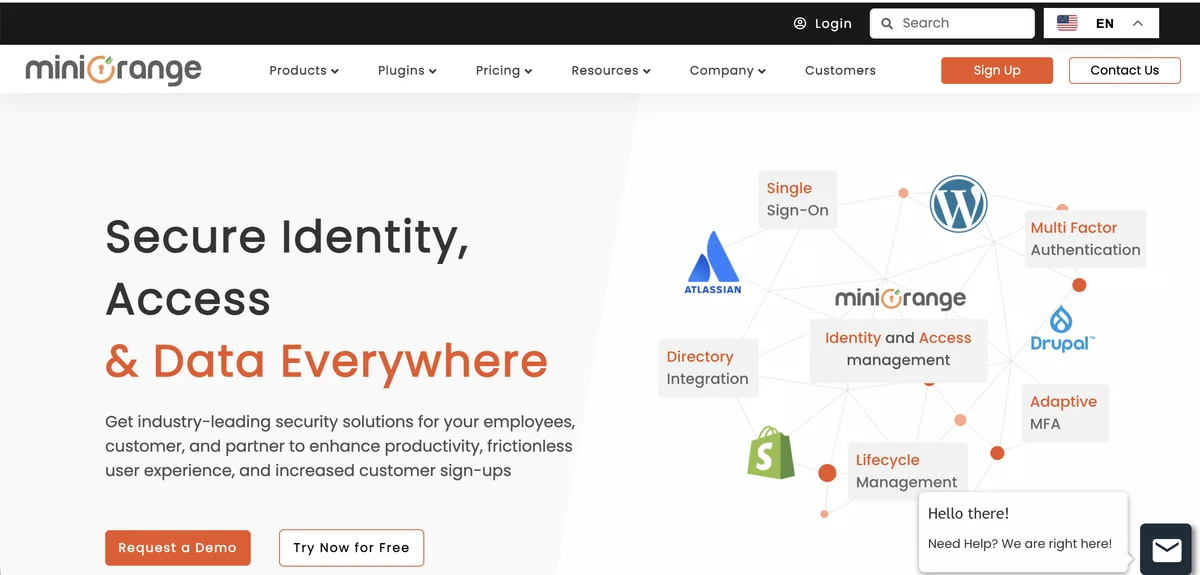
MiniOrange provides SAML-based single sign-on for Asana along with SCIM provisioning that automates user lifecycle management. The integration supports bi-directional sync between MiniOrange and Asana, creating accounts when employees join and removing access when they leave the organization. Their CASB module adds device restrictions, network controls, and detailed audit logging for compliance purposes.
The platform positions itself as an affordable alternative to enterprise IGA tools, with pricing starting at $2-3 per user monthly compared to Okta’s $6-17 range. MiniOrange works well for organizations that need SSO and basic provisioning governance for Asana without the complexity of full-featured identity governance platforms. The 6,000+ pre-built integrations mean Asana fits into a broader access management strategy across your application portfolio.
MiniOrange lacks the dedicated access certification workflows found in purpose-built IGA platforms like SailPoint or ConductorOne. The platform focuses primarily on authentication and provisioning rather than periodic access reviews with formal certification campaigns. Organizations needing structured quarterly reviews with audit trails and compliance documentation may find the governance capabilities limited compared to purpose-built IGA solutions.
Pros:
- Affordable pricing at $2-3 per user monthly makes governance accessible for smaller organizations
- SCIM provisioning automates Asana account creation and removal based on HR events
- CASB features add device restrictions and location controls for Asana access
- Rapid deployment in hours versus months for enterprise IGA platforms
Cons:
- Limited native access certification features compared to dedicated IGA platforms
- Requires Asana Enterprise plan for SSO functionality
- Support quality varies significantly based on customer feedback
G2 Rating: 4.5 out of 5 stars (264 reviews)
Capterra Rating: 4.5 out of 5 stars (36 reviews)
Ping Identity
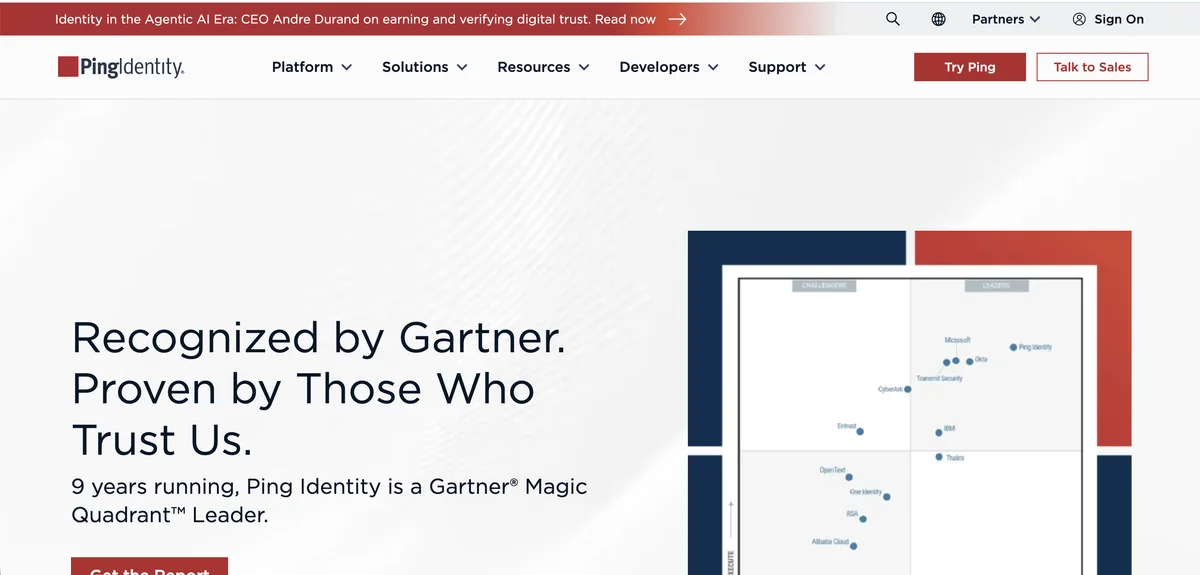
Ping Identity offers identity governance capabilities through PingOne Identity Governance, which includes access certification campaigns, AI-assisted decision making, and automated remediation workflows. The platform’s Autonomous Identity feature uses machine learning to analyze identity data and flag high-risk access patterns, evaluating millions of permissions and providing contextual risk scores to help reviewers prioritize their certification tasks.
For Asana specifically, Ping Identity supports integration through their DaVinci orchestration platform with 6,500+ orchestrated capabilities across 350+ connectors. The platform can handle SSO authentication and potentially governance workflows for Asana, though the specific depth of Asana-native features depends on connector configuration and your Ping deployment tier.
Ping Identity’s complexity and cost structure make it challenging for mid-market organizations focused on Asana governance alone. The platform targets Fortune 500 enterprises with dedicated identity management teams, and the governance module requires separate purchase from the core PingOne platform. Implementation requires specialized expertise, and pricing starts around $16,000-35,000 annually before adding governance features. For mid-market organizations focused primarily on Asana access reviews, the investment may be difficult to justify.
Pros:
- AI-powered Autonomous Identity evaluates millions of permissions and flags high-risk access
- Proven enterprise scale handling 200M+ logins daily across Fortune 100 customers
- Hybrid deployment flexibility with cloud, on-premise, and FedRAMP options
Cons:
- Complex setup requiring specialized IAM expertise extends deployment timelines
- Governance features require separate purchase from core identity platform
- Enterprise pricing starting at $16,000+ annually exceeds mid-market budgets
- Interface complexity challenges reviewers unfamiliar with enterprise IGA tools
G2 Rating: 4.5 out of 5 stars (264 reviews)
Capterra Rating: 4.7 out of 5 stars (39 reviews)
Avatier
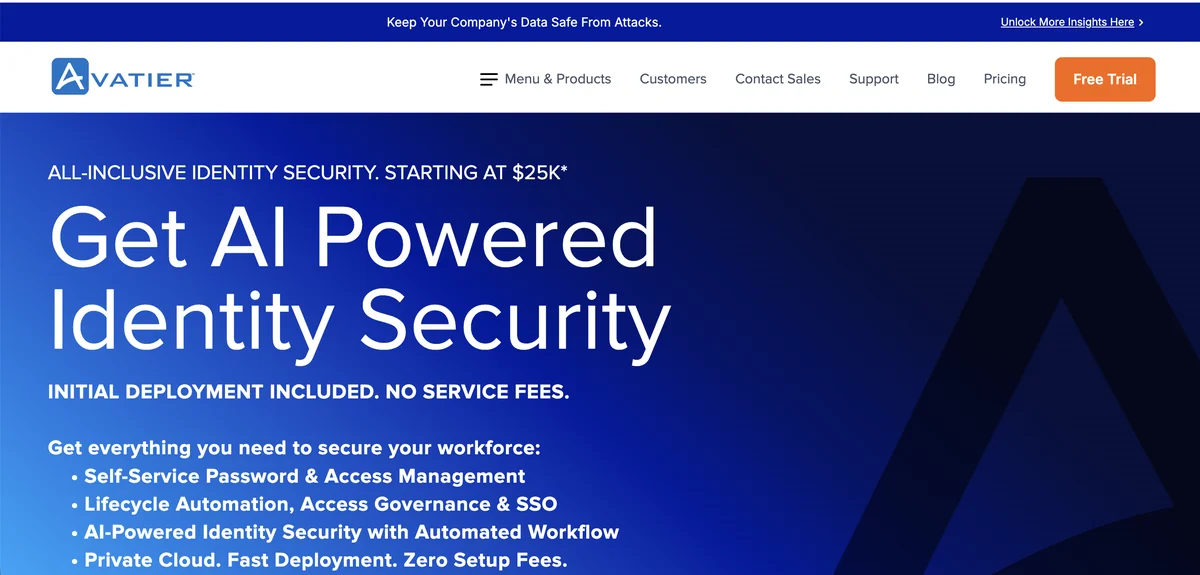
Avatier provides an all-in-one identity platform combining SSO, access governance, password management, and lifecycle automation. The platform supports over 90 enterprise application connectors and offers Delta Access Certification, which reviews only changed access since the last audit cycle rather than requiring reviewers to re-certify everything. This approach significantly reduces reviewer fatigue for recurring certification campaigns.
The containerized Docker architecture allows Avatier to deploy on any cloud provider, on-premise infrastructure, or hybrid environment without vendor lock-in. Organizations report implementation timelines of 2-12 weeks versus the 12-18 months typical of SailPoint deployments. The fixed-bid implementation model eliminates professional services cost surprises that can balloon enterprise IGA projects.
Avatier does not publicly document a dedicated Asana connector, so integration would likely work through their general application framework or custom connector development. Organizations should verify current Asana support directly with Avatier before assuming native capabilities. The platform works well for teams wanting consolidated identity governance across many applications, but those specifically focused on Asana may find tools with native connectors more straightforward.
Pros:
- Delta certification reviews only changed access, reducing reviewer burden significantly
- All-in-one platform combines IGA, SSO, and password management without tool sprawl
- Containerized architecture deploys anywhere without cloud vendor lock-in
- Fixed-bid implementation eliminates professional services cost surprises
Cons:
- No publicly documented Asana connector may require custom integration work
- Small market presence with 0.04% IAM market share limits community resources
- User interface can overwhelm new users without proper training
G2 Rating: 4.6 out of 5 stars (31 reviews)
How to Choose
Selecting the right platform for Asana access reviews depends on your existing infrastructure, compliance requirements, and budget constraints. Organizations already using Torii for SaaS management get Asana governance as part of a unified platform that also handles shadow IT discovery, license optimization, and automated workflows. The native Asana integration pulls usage data and audit logs that inform access review decisions with actual activity context.
Teams prioritizing fast deployment should consider ConductorOne for its 4-week implementation timeline and AI-assisted reviews, or MiniOrange for affordable SSO and provisioning governance. Large enterprises with complex Oracle environments may justify the custom integration effort for Oracle IGA, while those needing hybrid deployment flexibility could evaluate Ping Identity or Avatier.
Torii works well for organizations wanting combined SaaS management with identity governance, AI-powered shadow IT discovery, and automated license remediation. The platform handles Asana alongside your broader application portfolio in one dashboard.
The vendors with native Asana connectors reduce implementation friction and provide deeper visibility into Asana-specific attributes. Generic integrations can work but require more configuration and may miss usage patterns that inform better access decisions. Whatever platform you choose, running regular Asana reviews helps control costs, reduce security exposure, and maintain compliance documentation that auditors increasingly expect.
Frequently Asked Questions
Asana access reviews cut security exposure and recurring costs. At $24.99 per Business seat monthly, an overlooked inactive account wastes nearly $300 yearly. Regular reviews catch orphaned accounts, unnecessary admin privileges, and premium seats that can be downgraded to Basic.
Torii and ConductorOne provide native Asana connectors with deep syncing of users, licenses, and usage. MiniOrange offers SSO and SCIM provisioning for automated lifecycle management. Ping and Avatier typically require connector configuration or custom integration; Oracle needs custom REST or flat-file work.
Native connectors pull Asana-specific attributes like team membership, workspace roles, license types, and usage metrics automatically. Generic REST, SSO or SCIM integrations need manual field mapping and may miss granular activity or team-level permissions, which can weaken review accuracy and completeness.
AI features speed access reviews by auto-certifying low-risk accounts, surfacing anomalous access, and prioritizing high-risk items for human review. They provide prescriptive recommendations and reduce reviewer workload, enabling teams to complete campaigns faster with fewer manual decisions.
Run periodic reviews to identify inactive or orphaned accounts, revoke unnecessary admin rights, and downgrade Premium seats to Basic. Reclaiming unused Business licenses at $24.99 per user monthly can save roughly $300 per account annually and lower overall SaaS spend and risk.
Choose based on scale and budget: Torii, ConductorOne and MiniOrange suit mid-market teams seeking fast setup and lower cost. Ping Identity, Oracle and Avatier fit large enterprises needing hybrid deployment, deep governance, or custom integrations despite higher complexity and implementation timelines.